Alexandra Owens

Creative Technologist

I build systems that let creative teams produce with AI structurally, including prompt architecture, visual frameworks, governance standards, and production pipelines, applying two decades of systemic design work to the problem most organizations are only beginning to understand: how to integrate AI into creative production with consistency, quality, and scale.

I am both architect and operator, designing the systems I work inside daily, producing hundreds of images a month while refining the infrastructure around them. I believe the best systems are built by the people who use them.
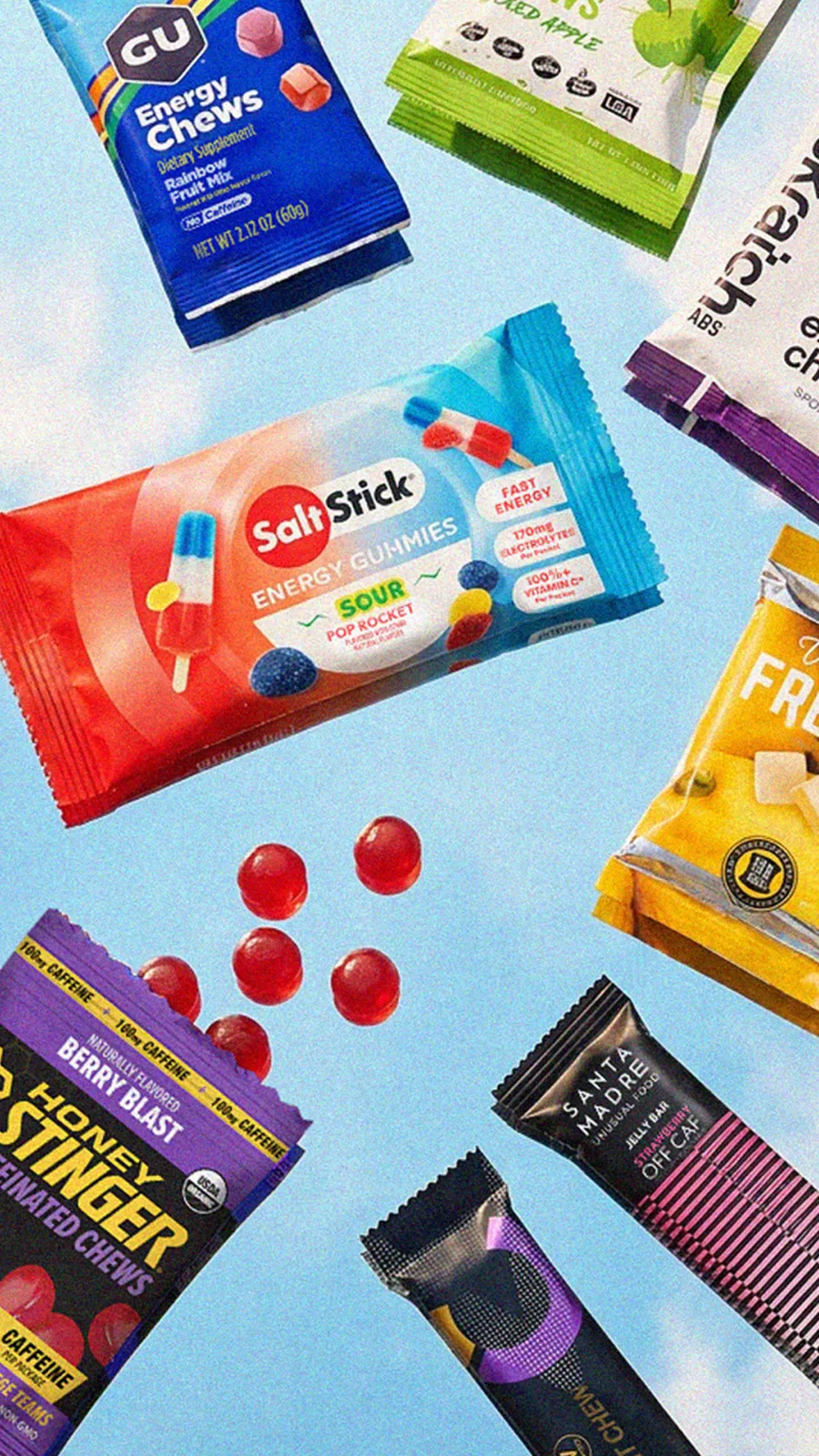
Image-Making & Visual Craft
Two decades of photography, Photoshop, compositing, and digital painting. Precise control over lighting, surface, scale, and realism, from the camera through to the final output.
AI Production Systems
Prompt libraries, model workflows, visual frameworks, and governance standards that make AI-generated creative repeatable, controllable, and production-ready at volume, running to hundreds of images a month.
Visual Systems & Governance
Asset structures, metadata architectures, and operational standards that create consistency across brands, teams, and platforms.
Image-Making & Visual Craft
+ view work

Two decades of photography, Photoshop, compositing, and digital painting. The craft foundation that makes everything else work.

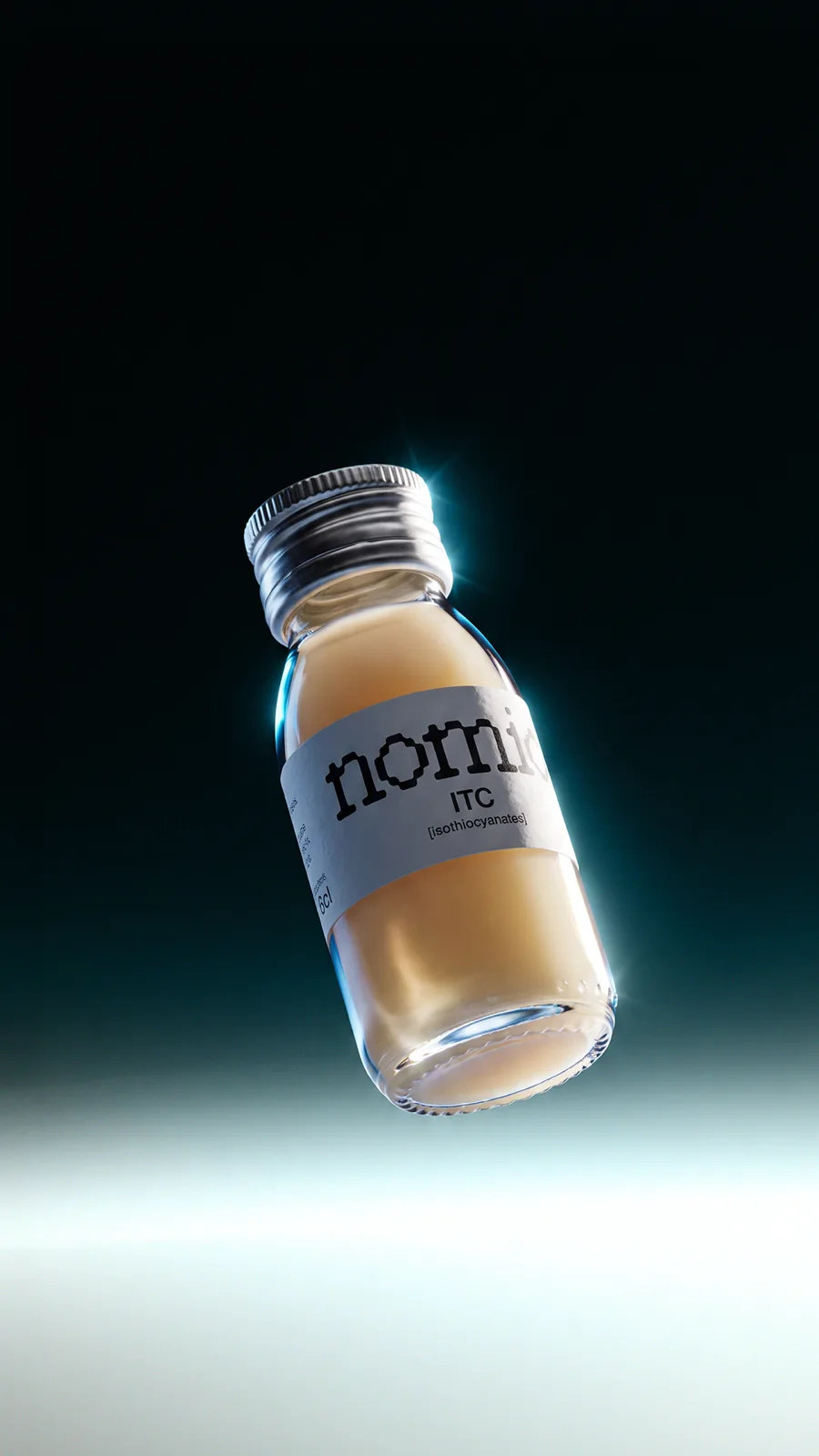
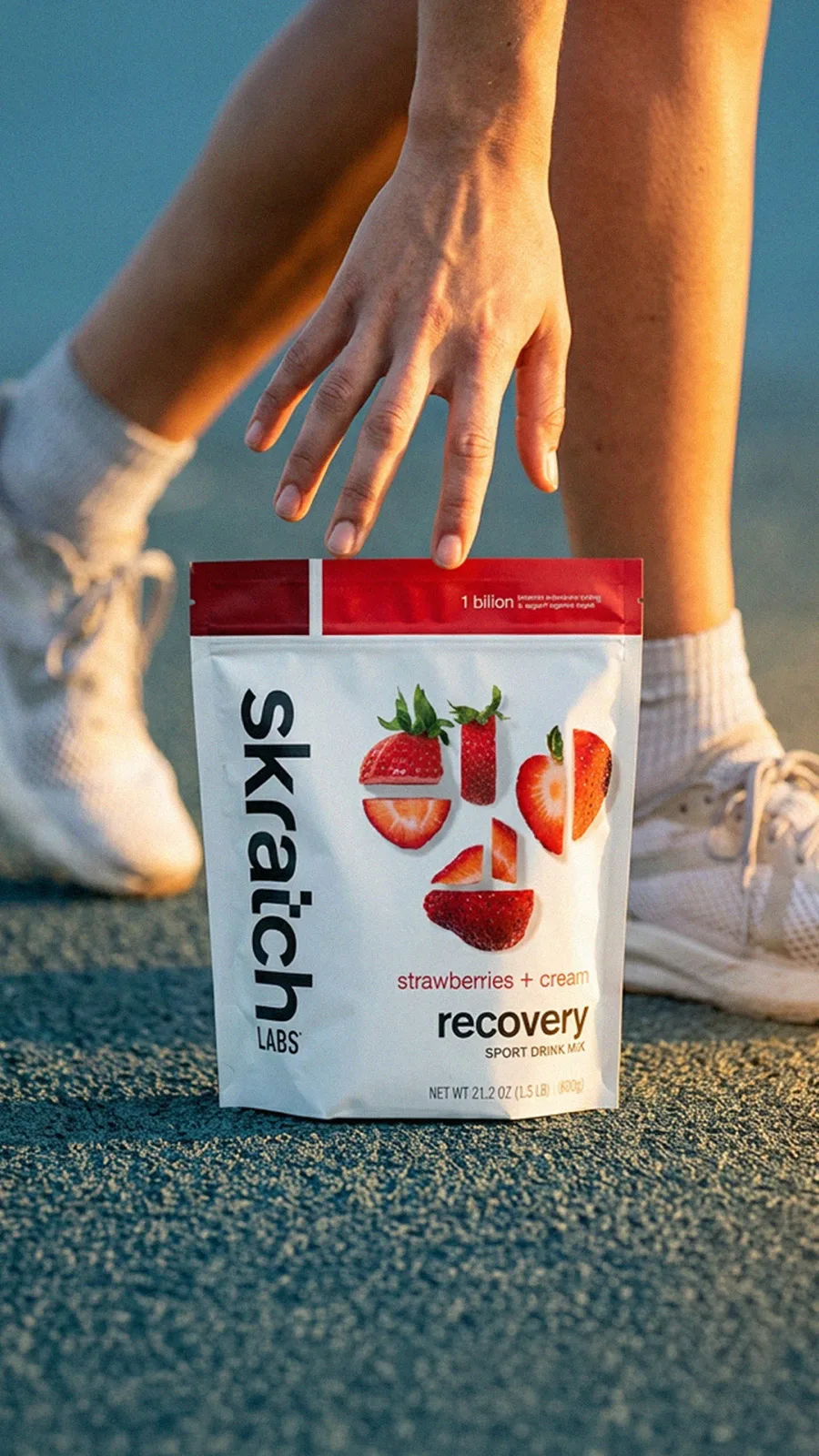
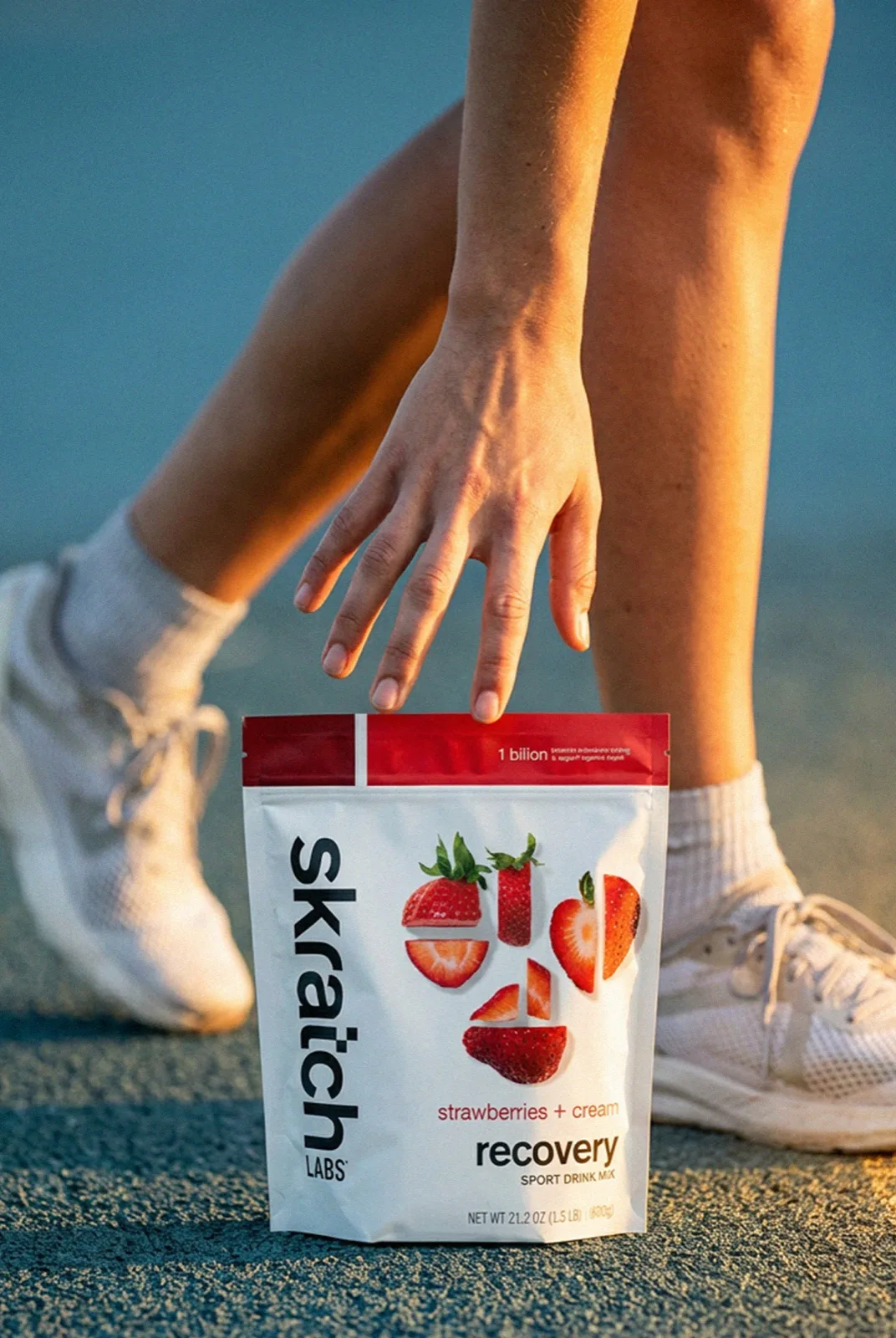
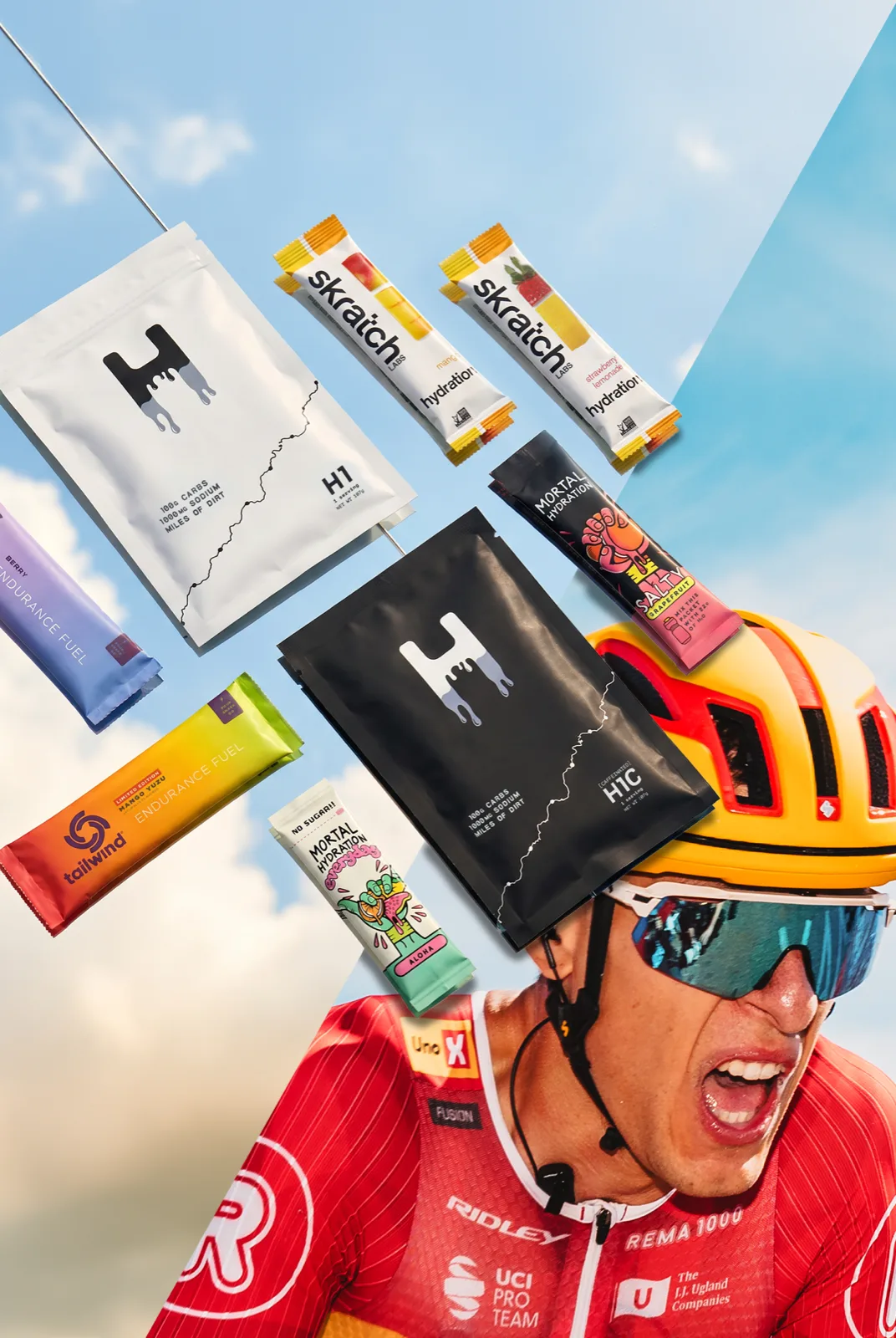
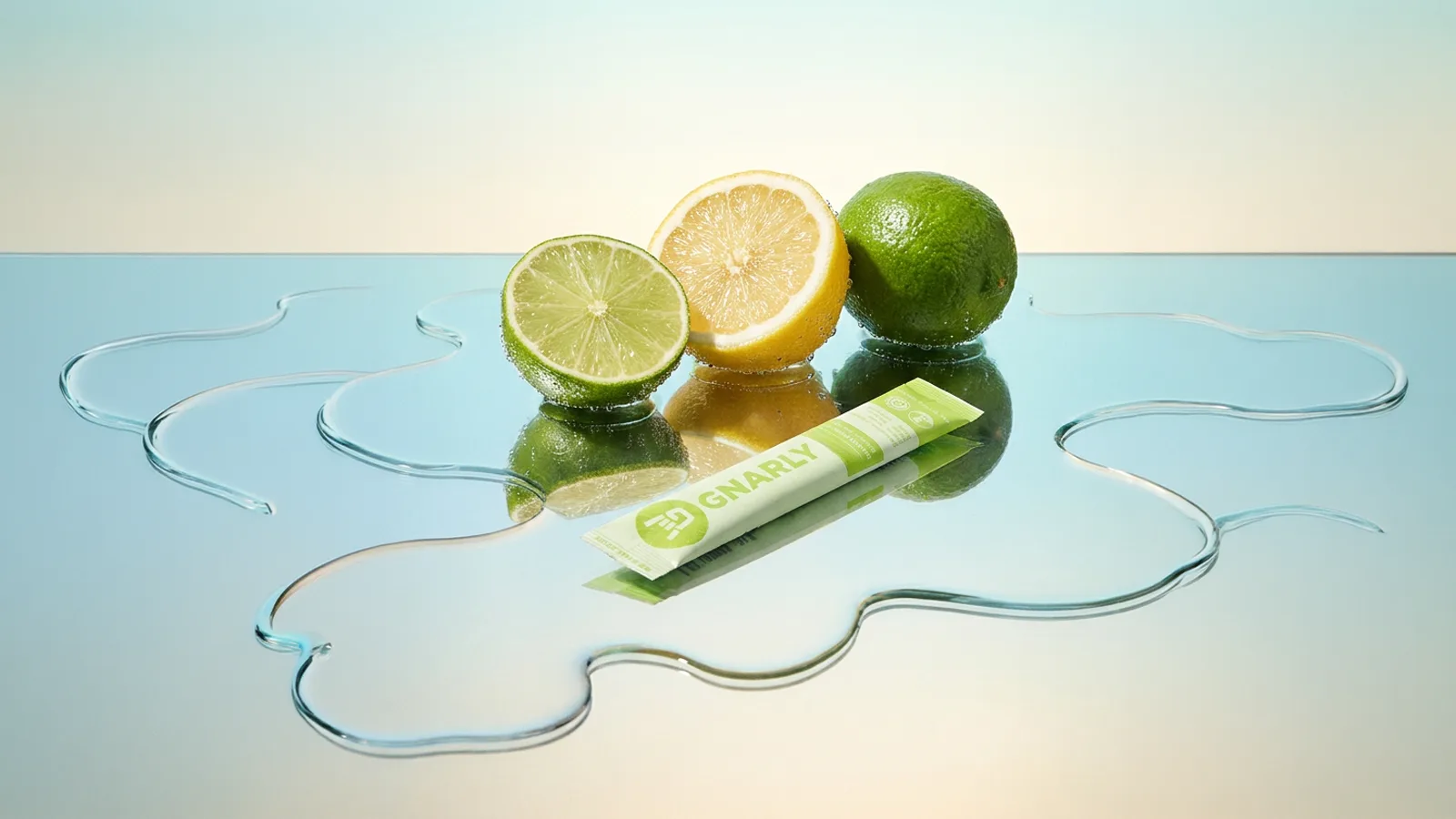
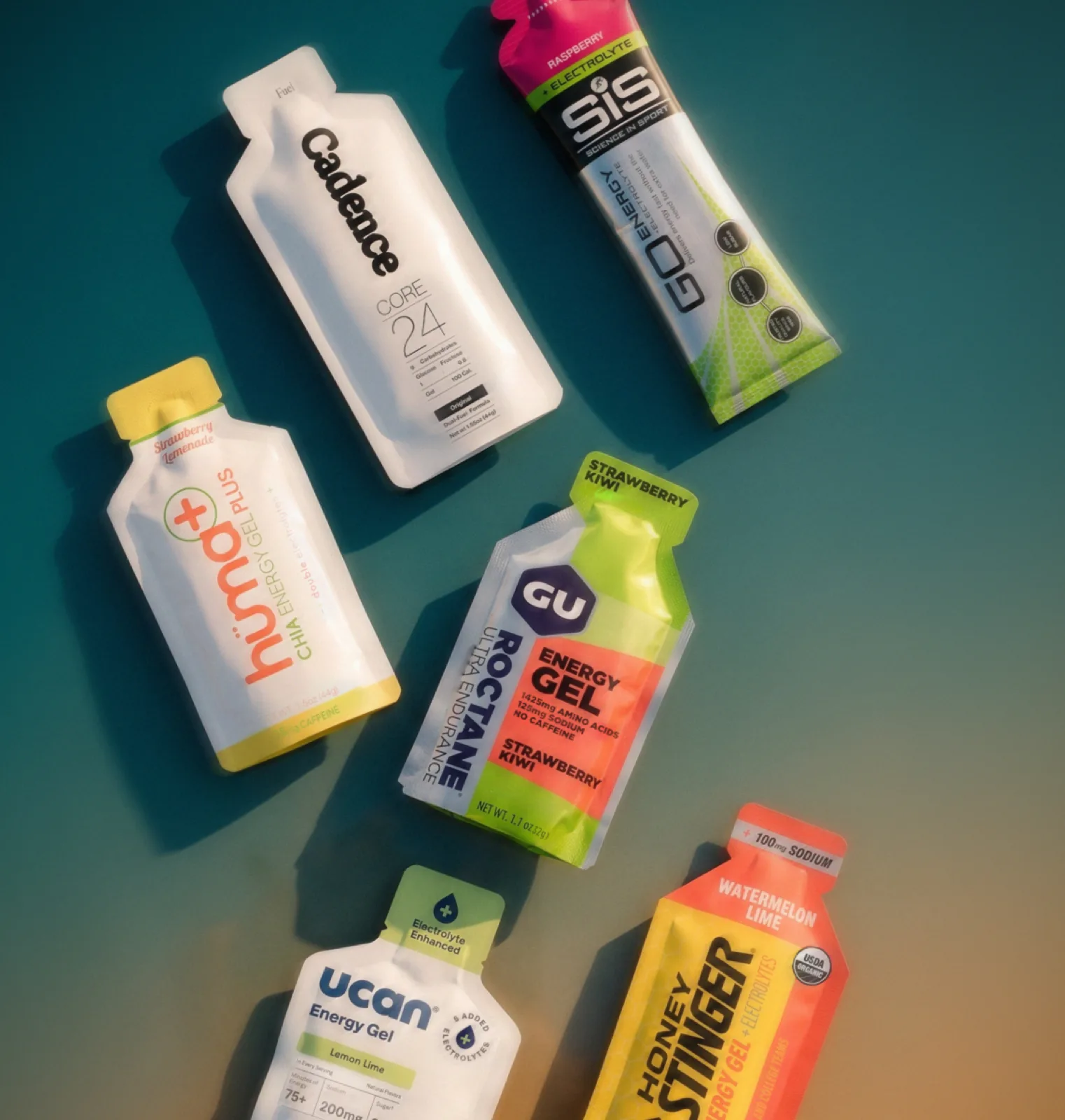
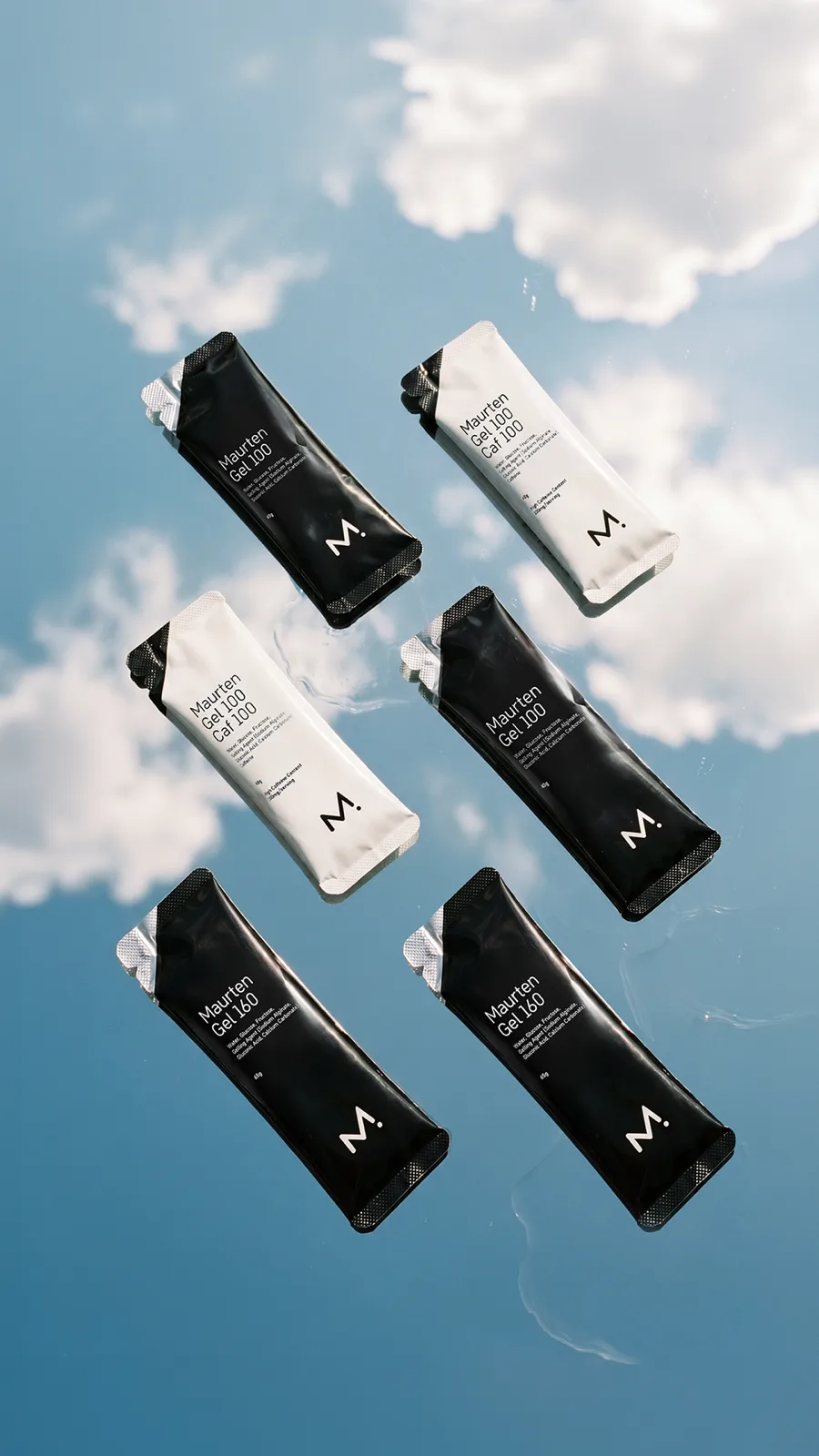
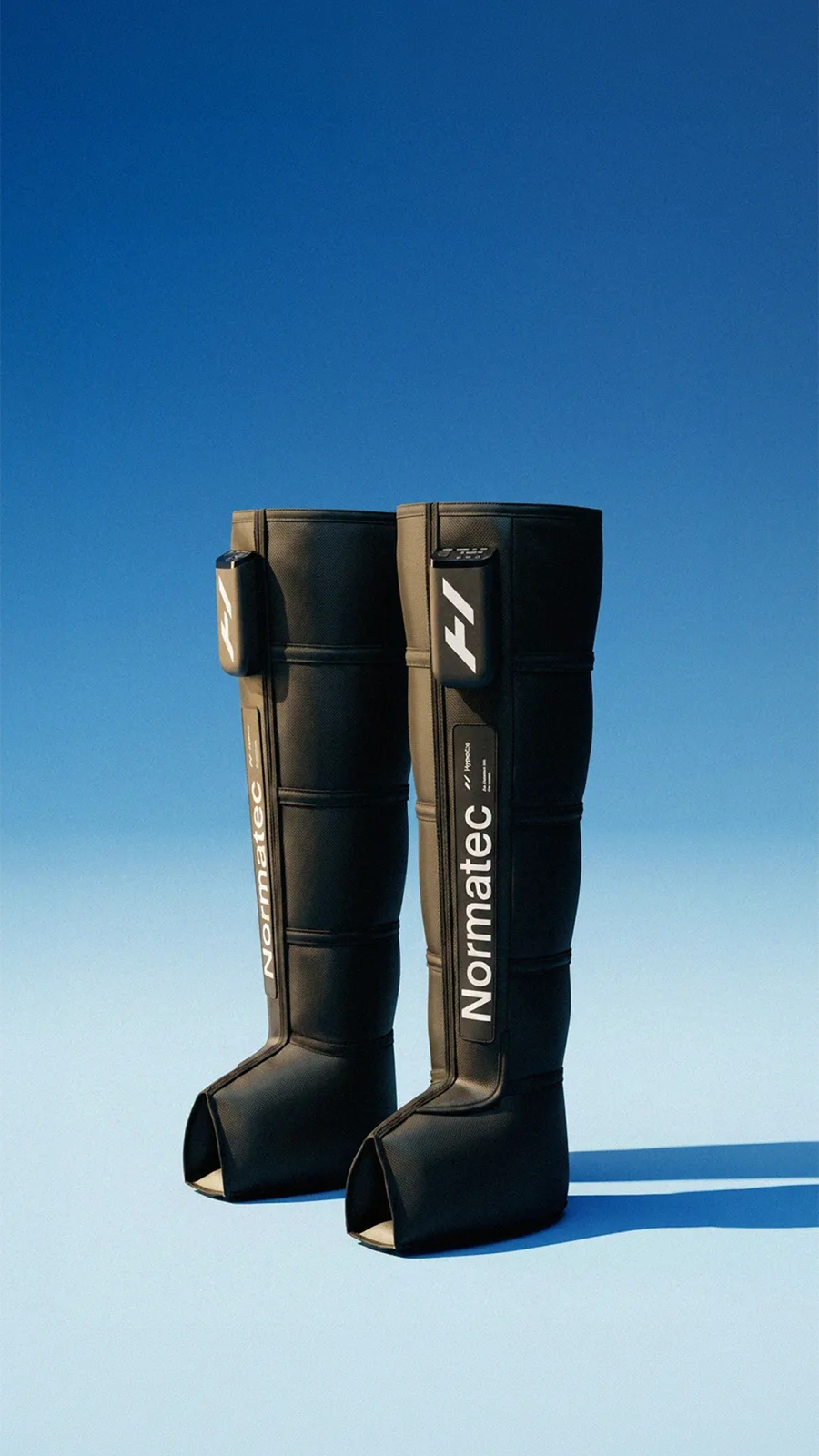
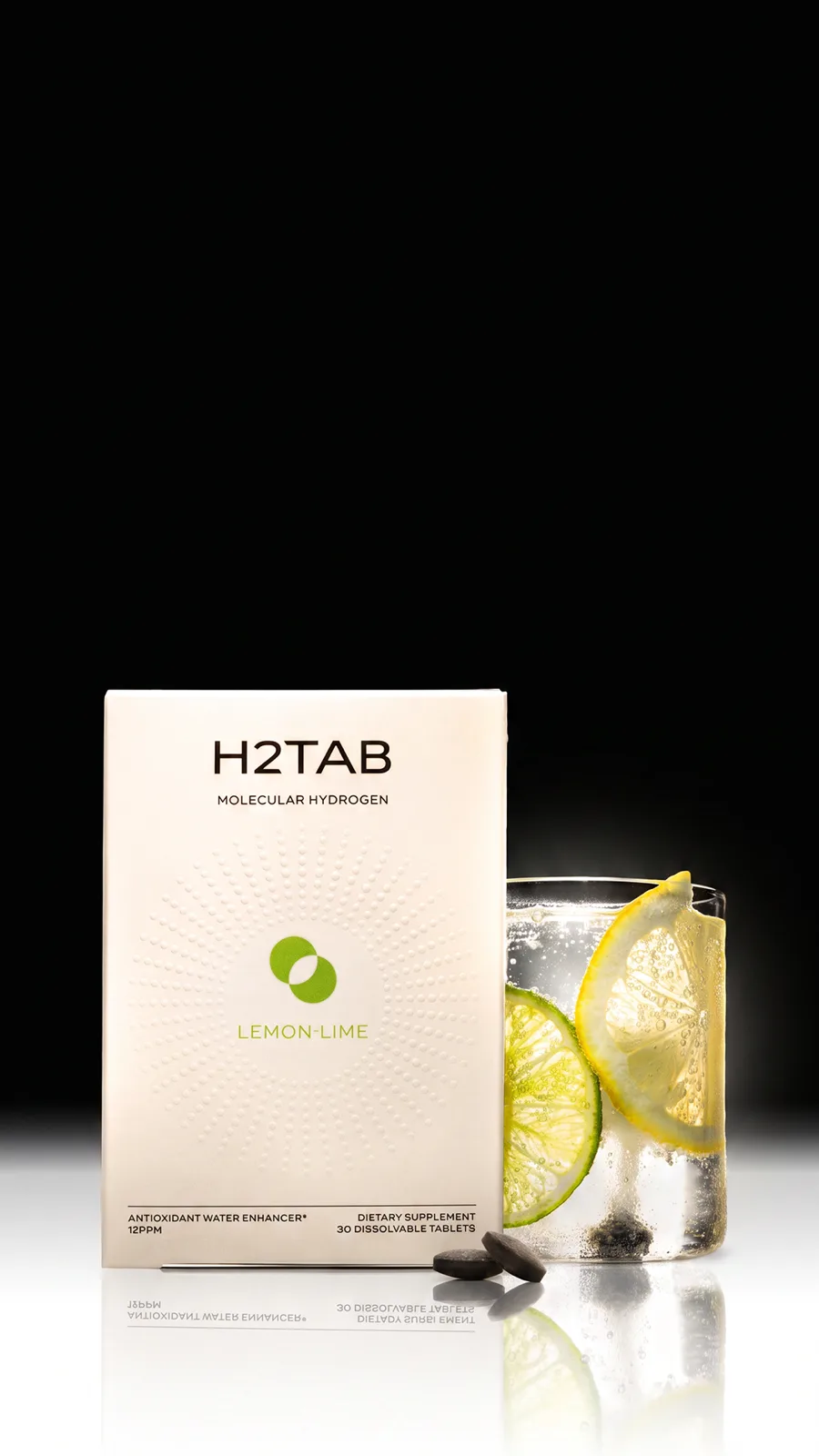
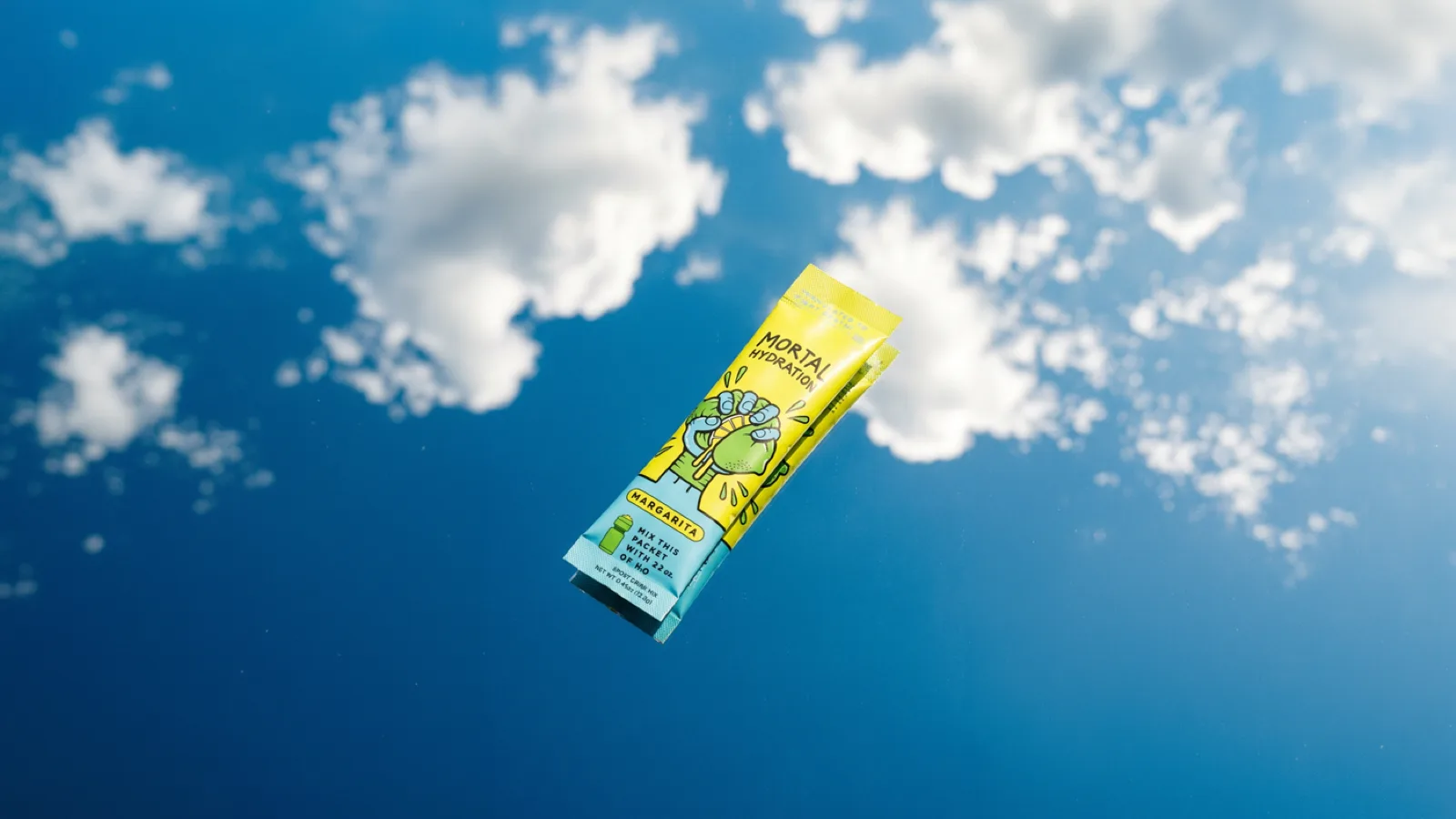
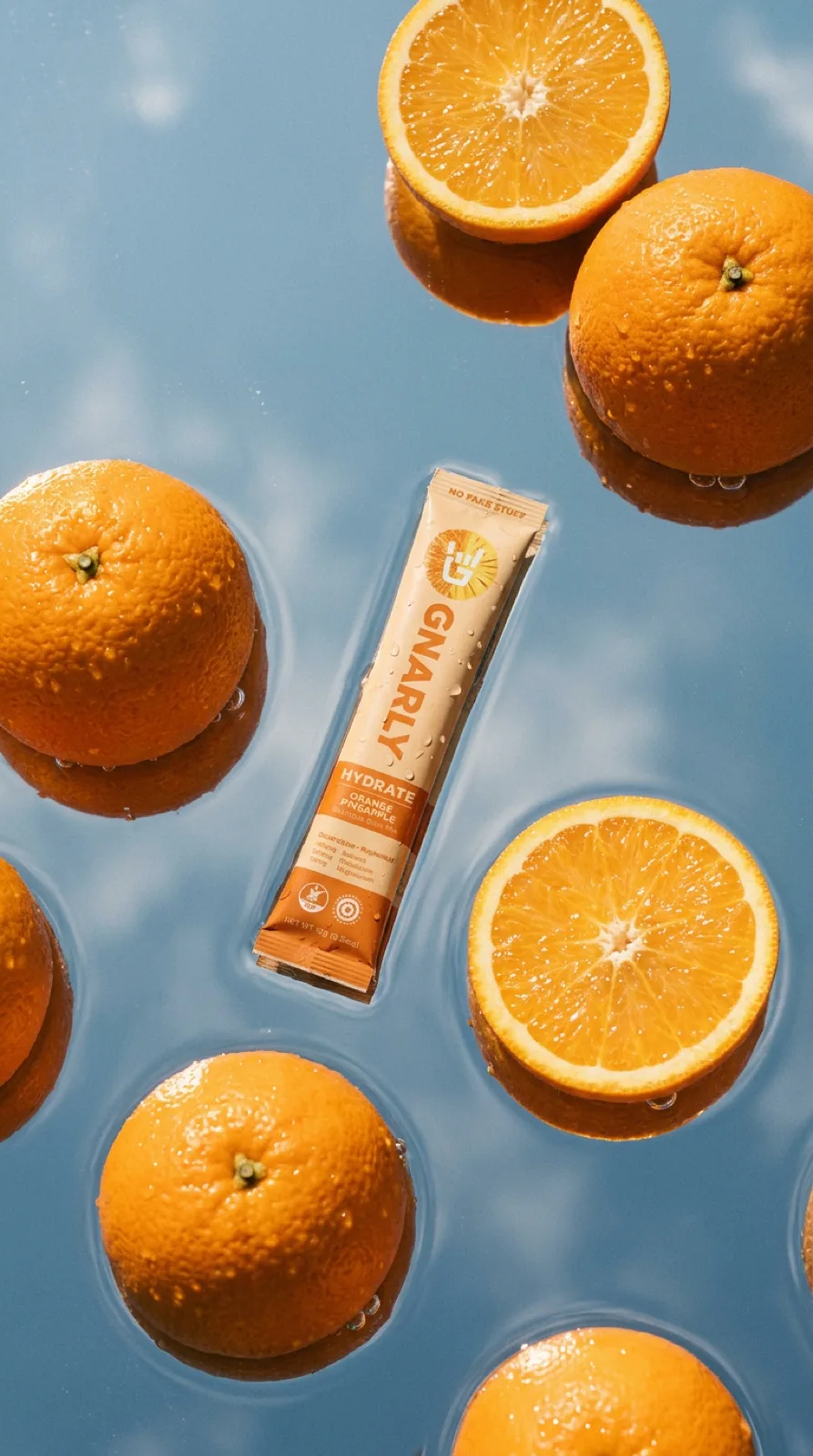
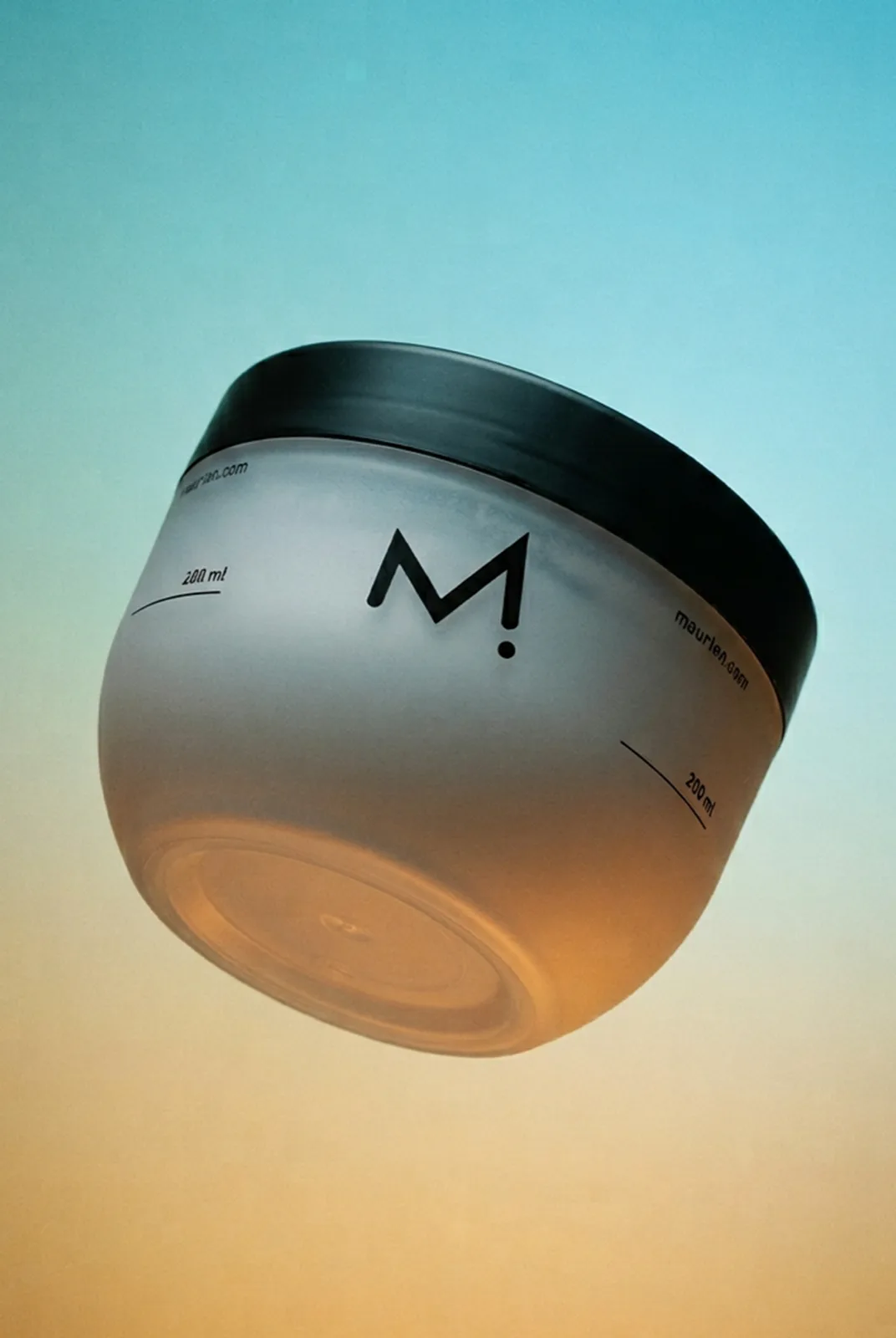
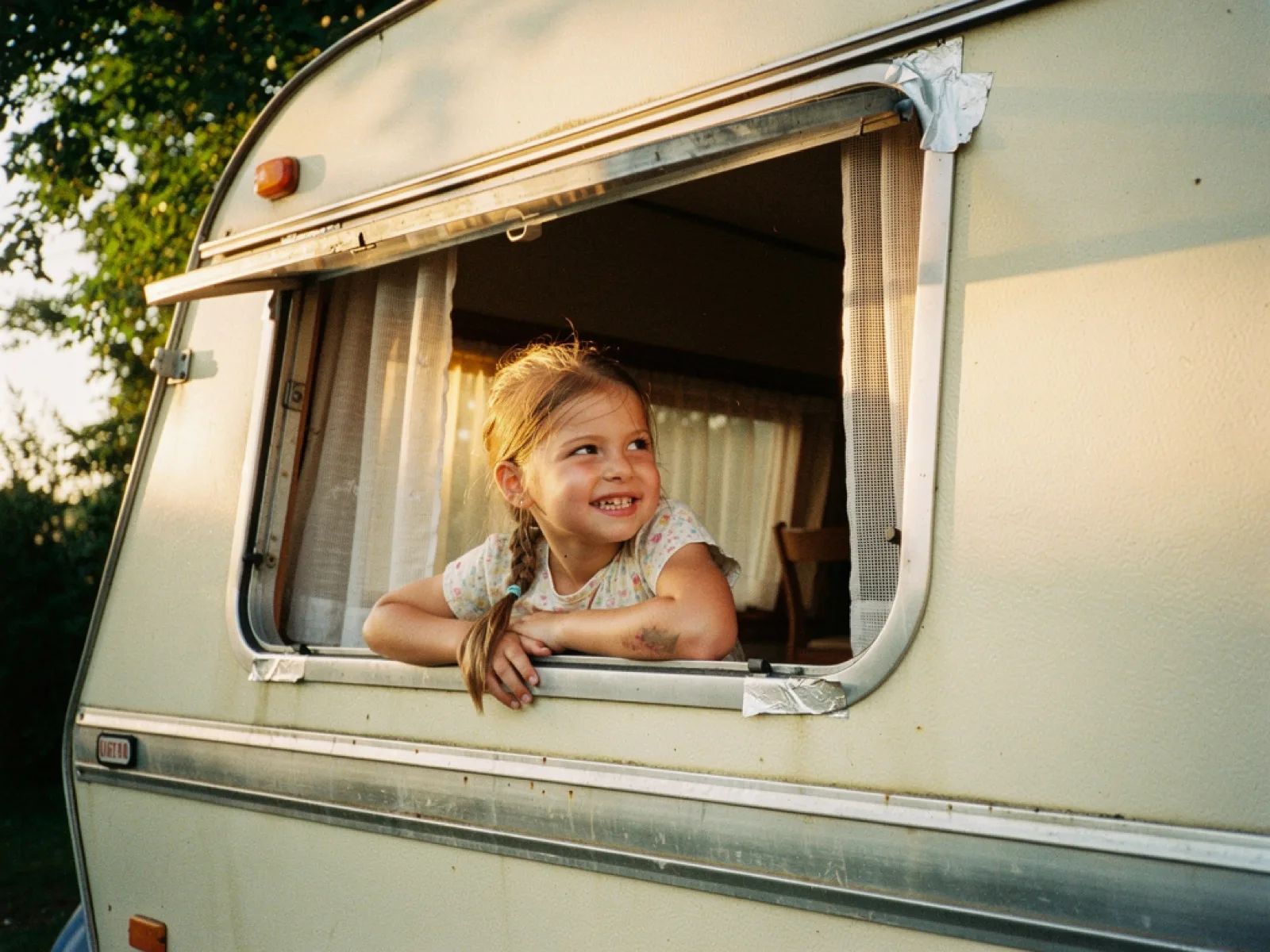
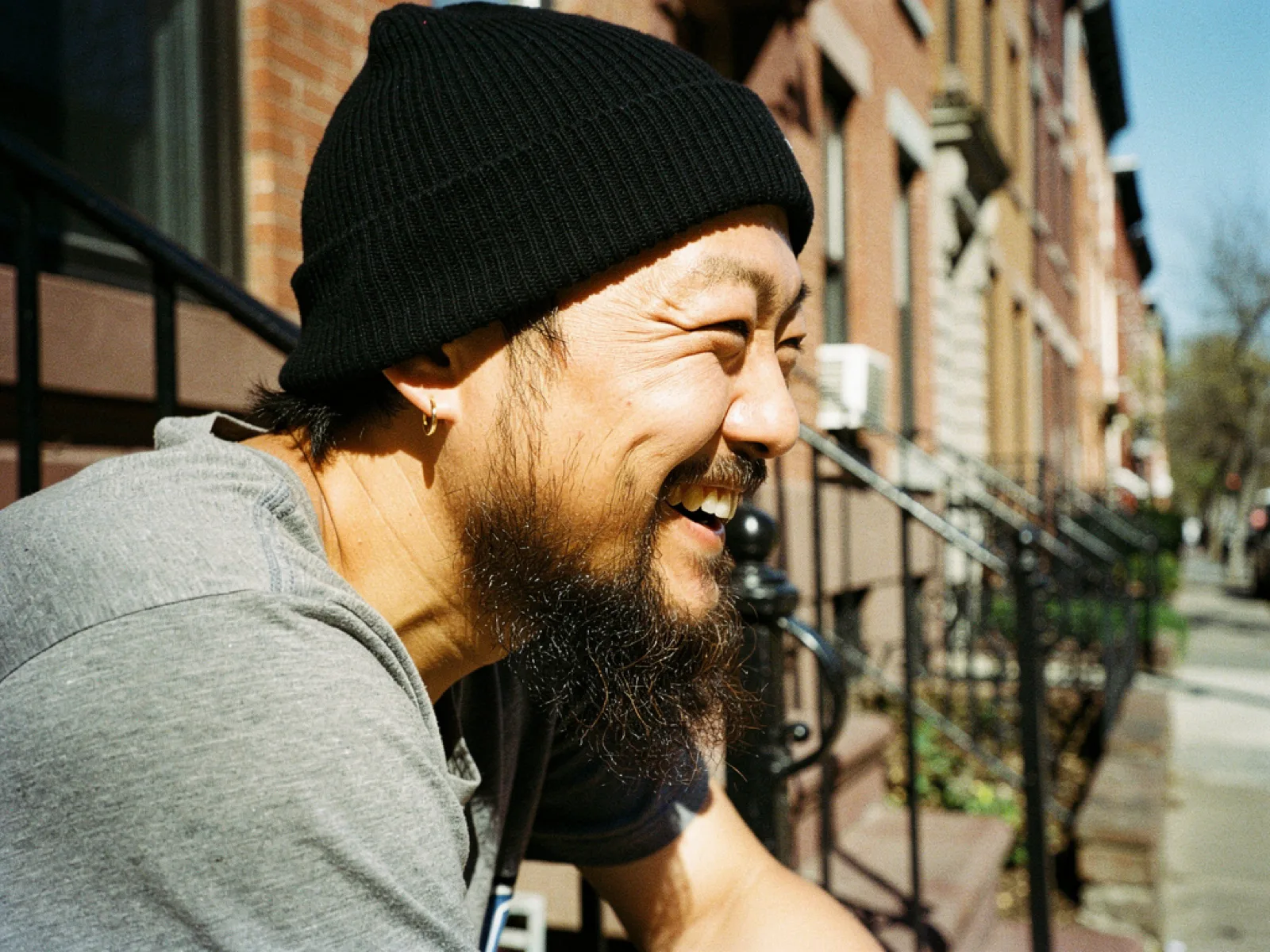
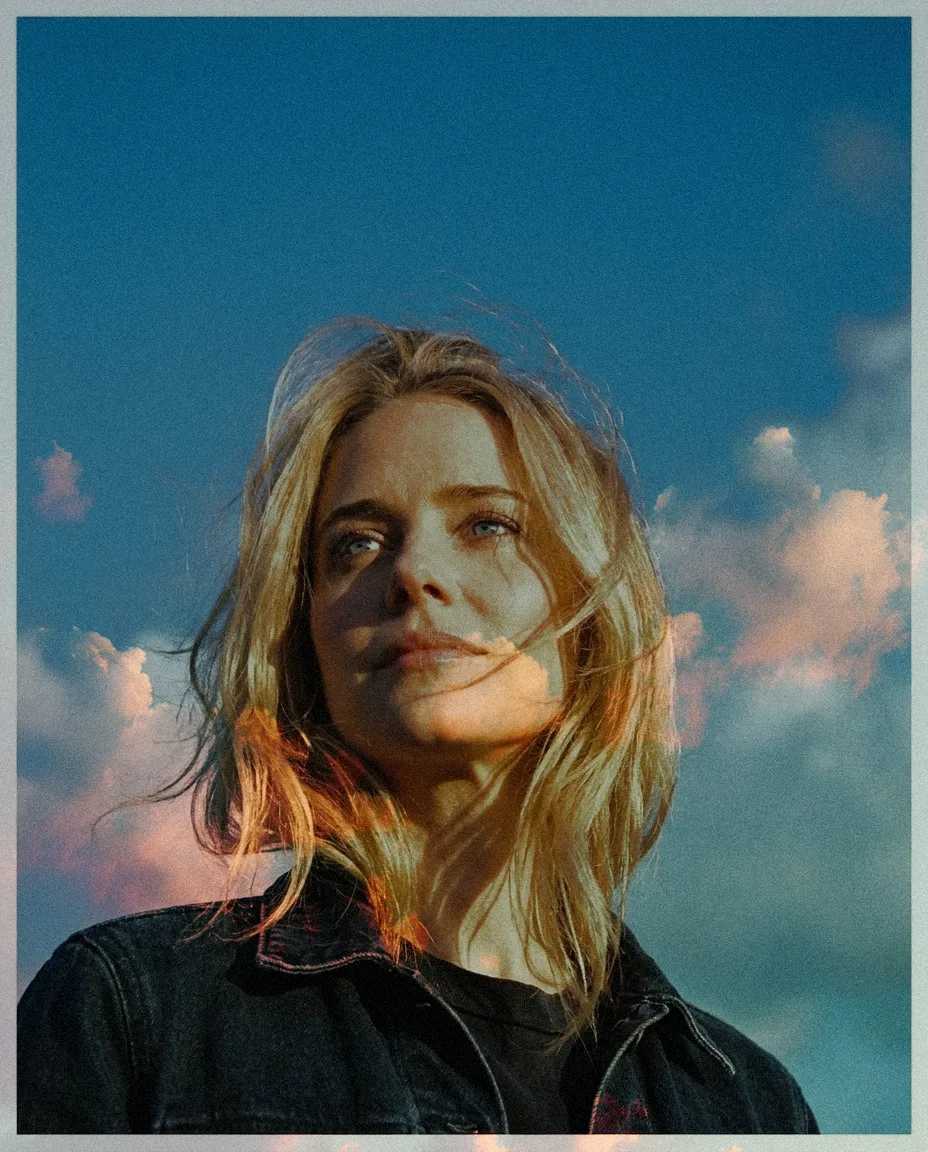
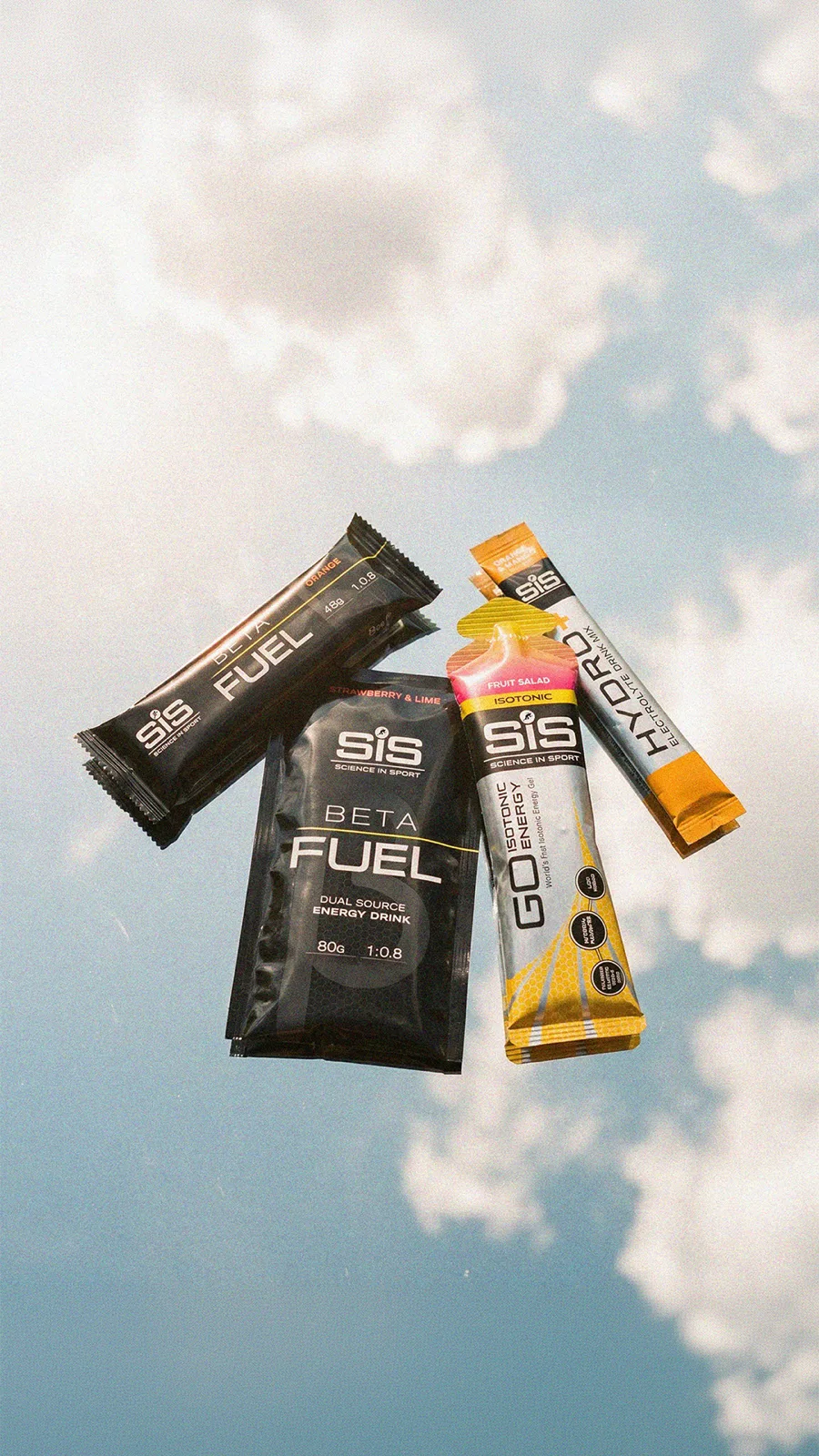
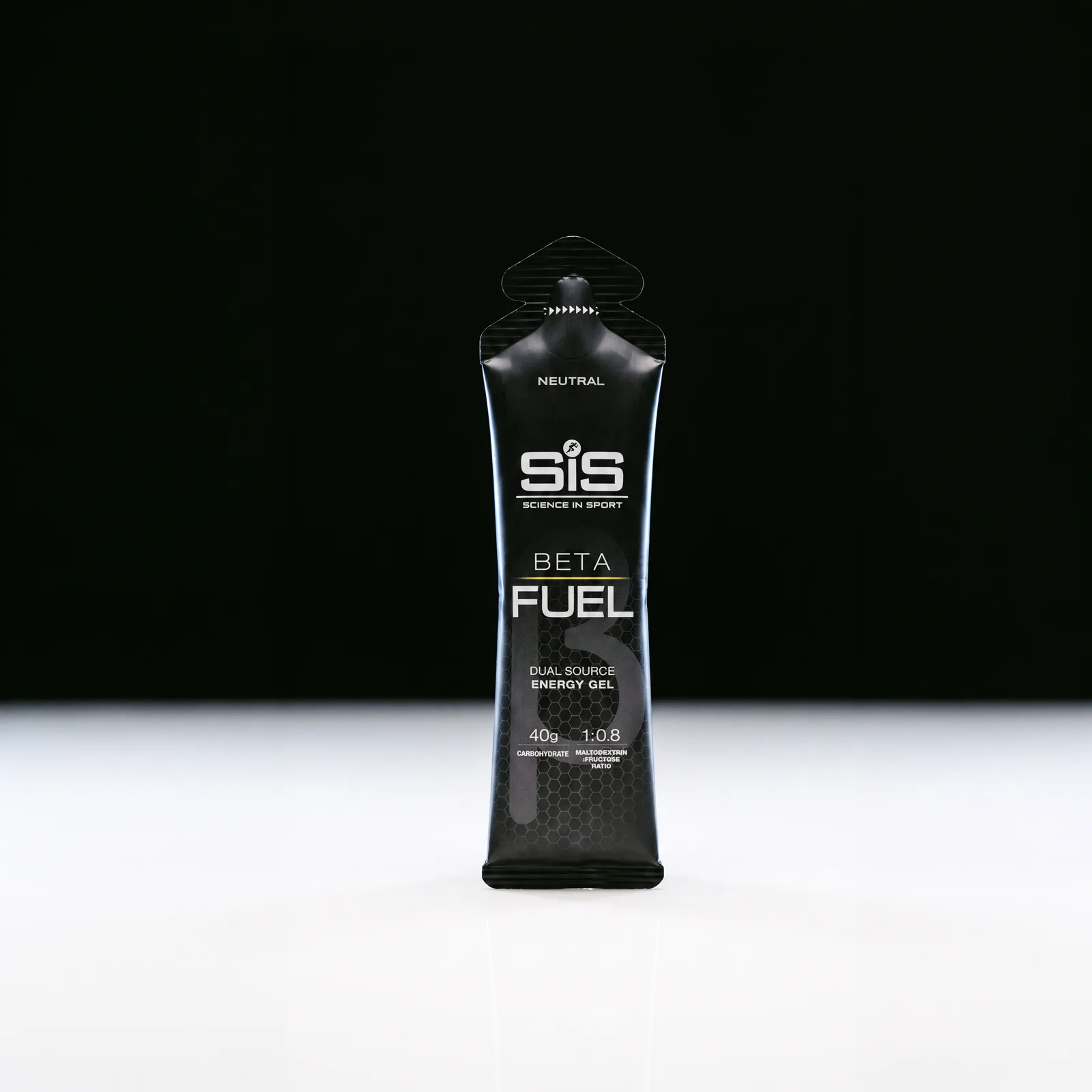
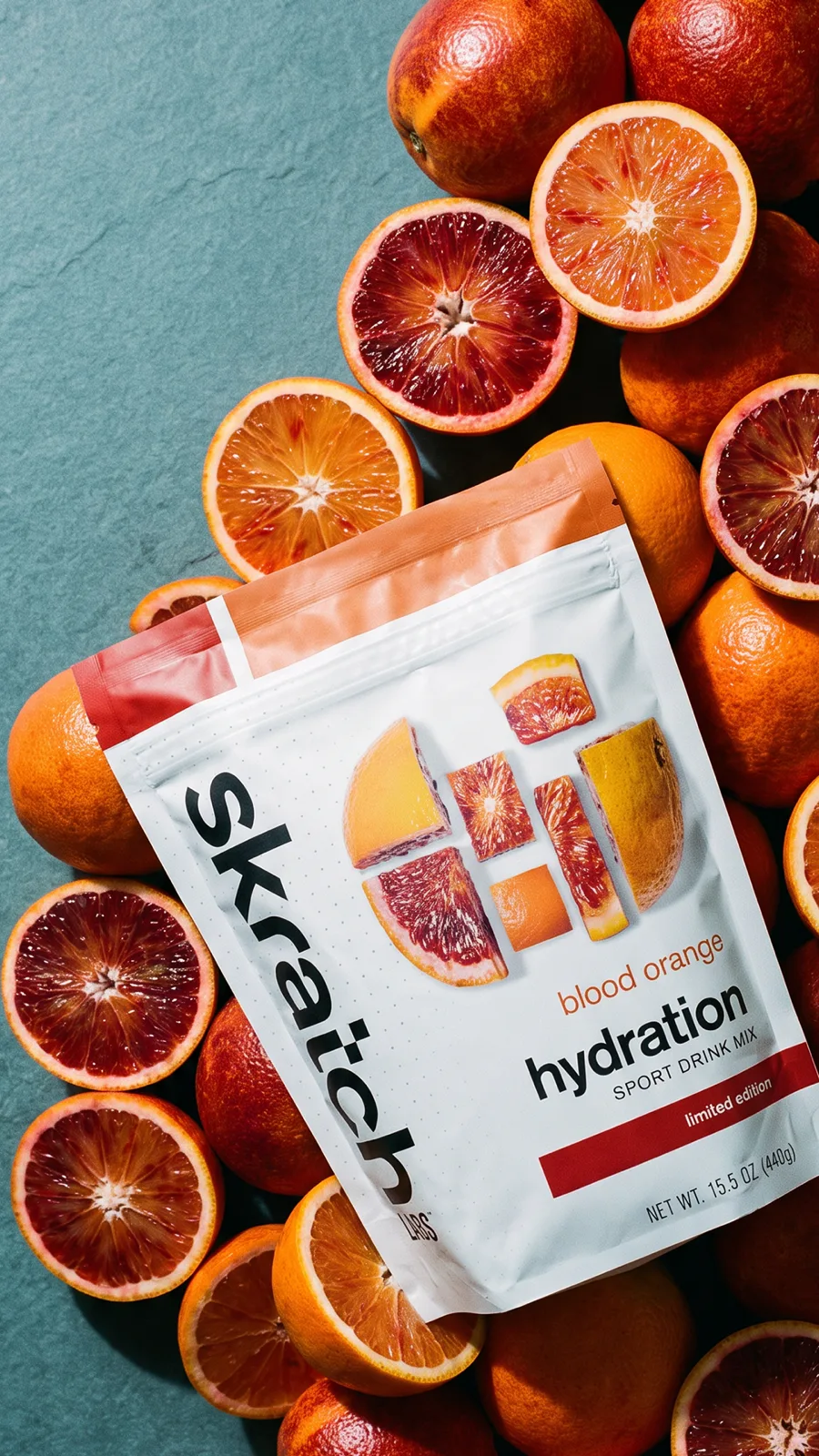
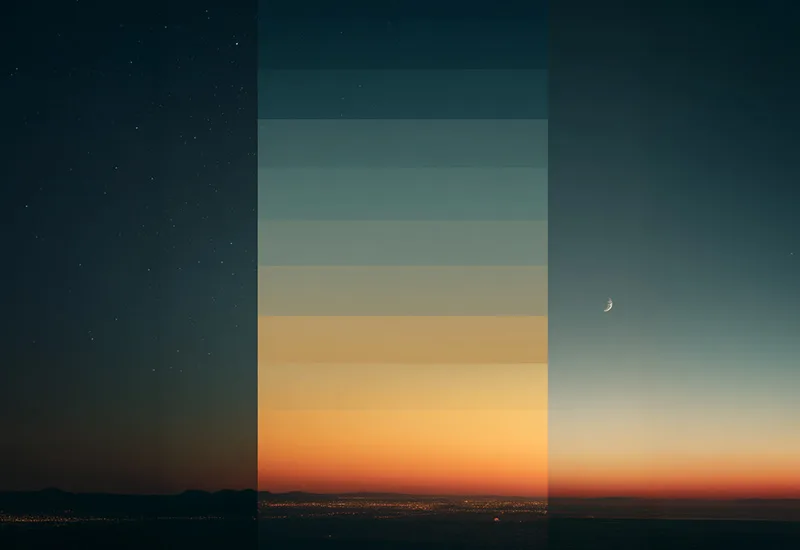
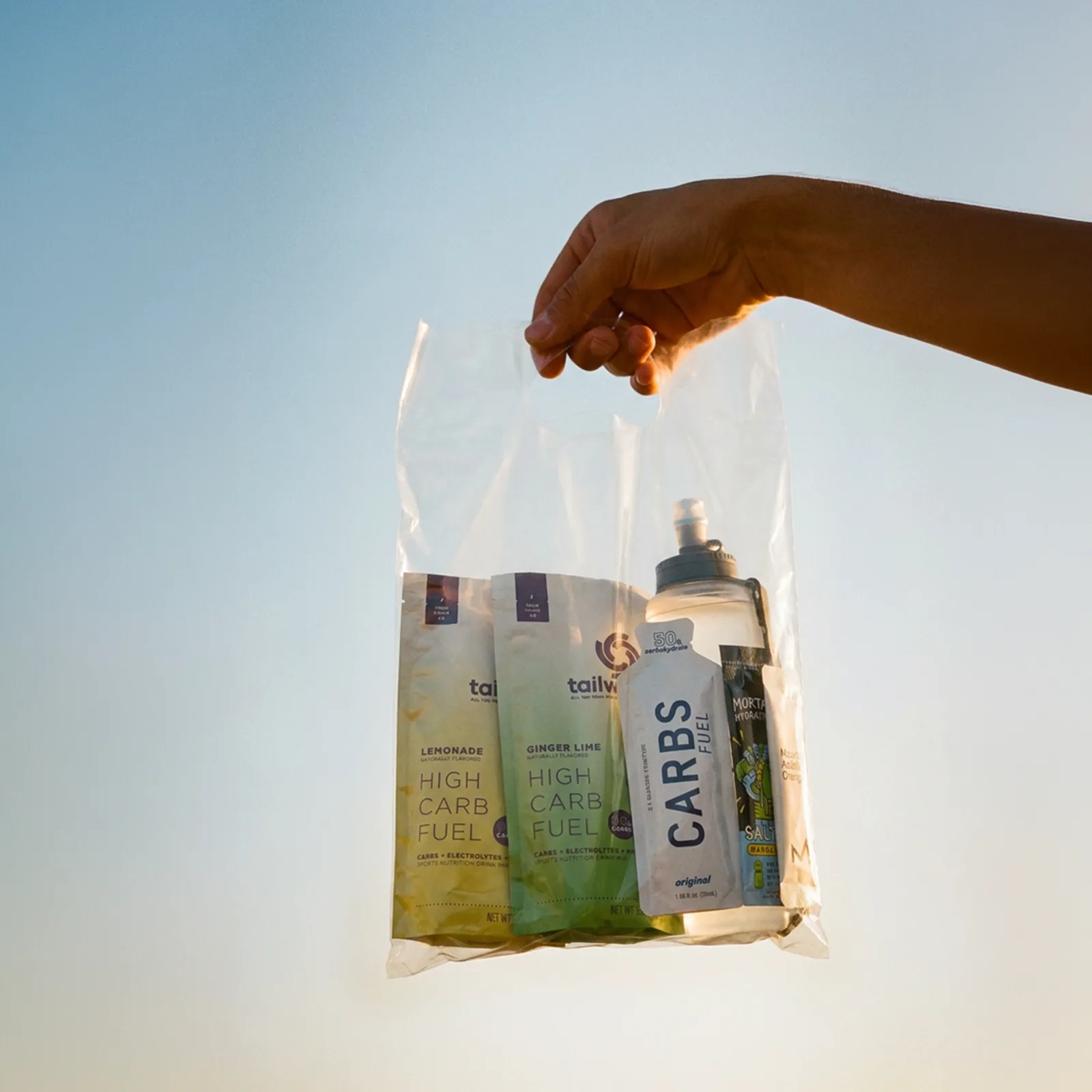
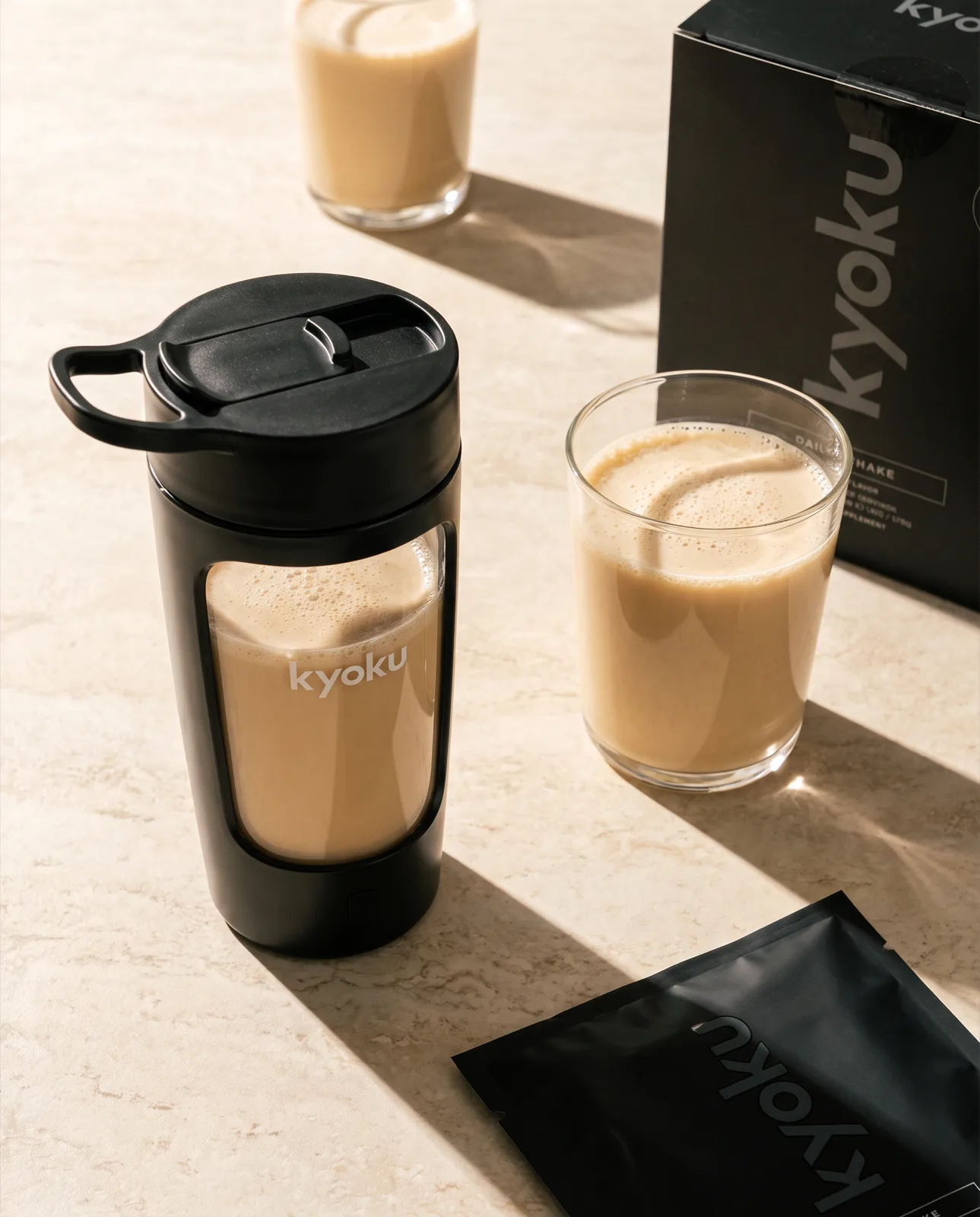
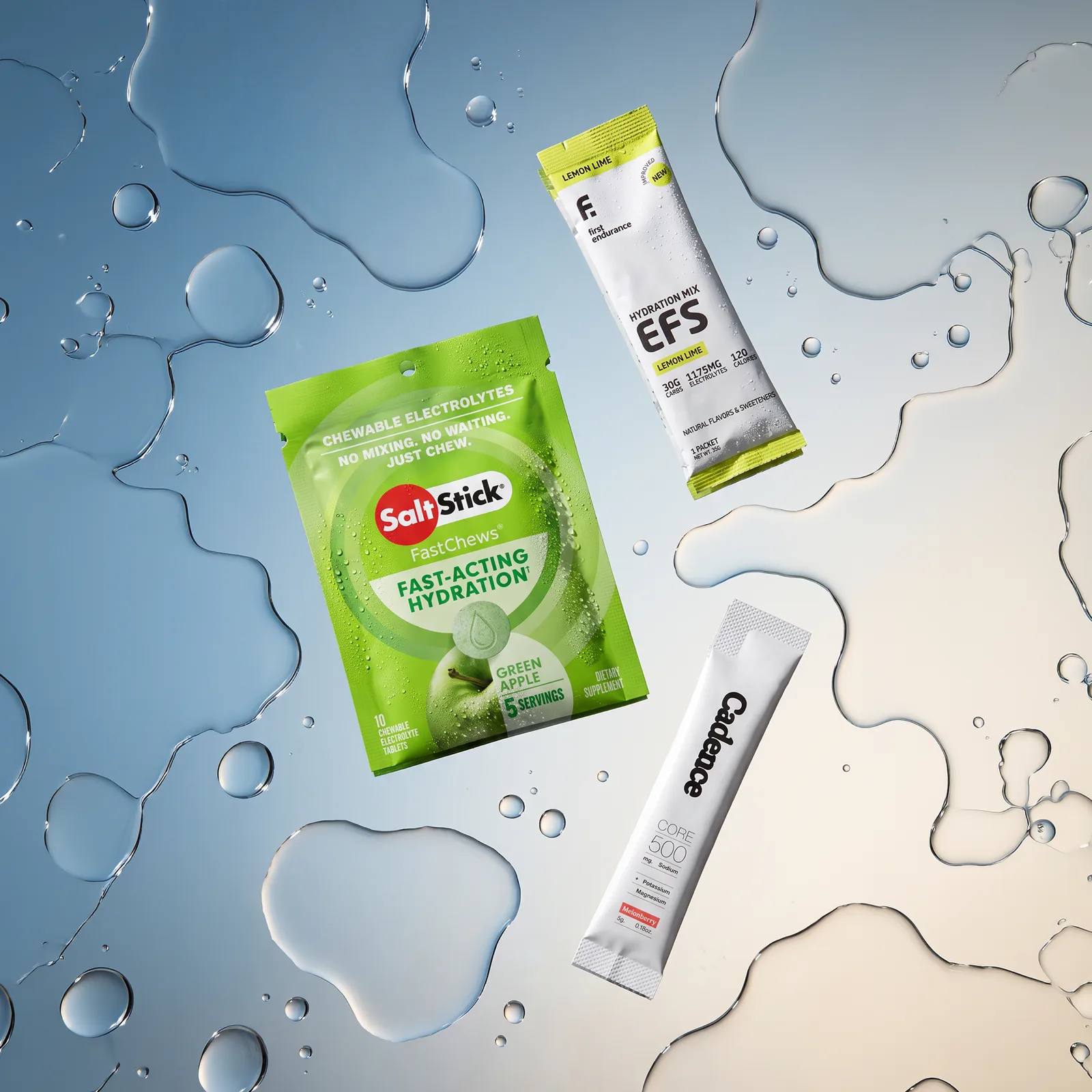
Commercial compositing and retouching across wellness, publishing, and consumer products. Packaging design built from cut botanical elements, portrait work where a subject has to sit convincingly inside a constructed environment, layouts where a dozen layers have to read as a single coherent image. That precision with light, surface, masking, and color grading is what makes the AI image generation different from prompt-and-accept: knowing when a shadow is wrong, when a surface material isn't reading correctly, when the scale relationship between elements breaks the illusion. Currently learning Python and React to push that work further into programmatic and generative territory.

AI Production Pipeline & Prompt Architecture
+ view work

Structured prompt architecture and a multi-stage production pipeline that turns AI image generation into a repeatable, production-quality creative system.

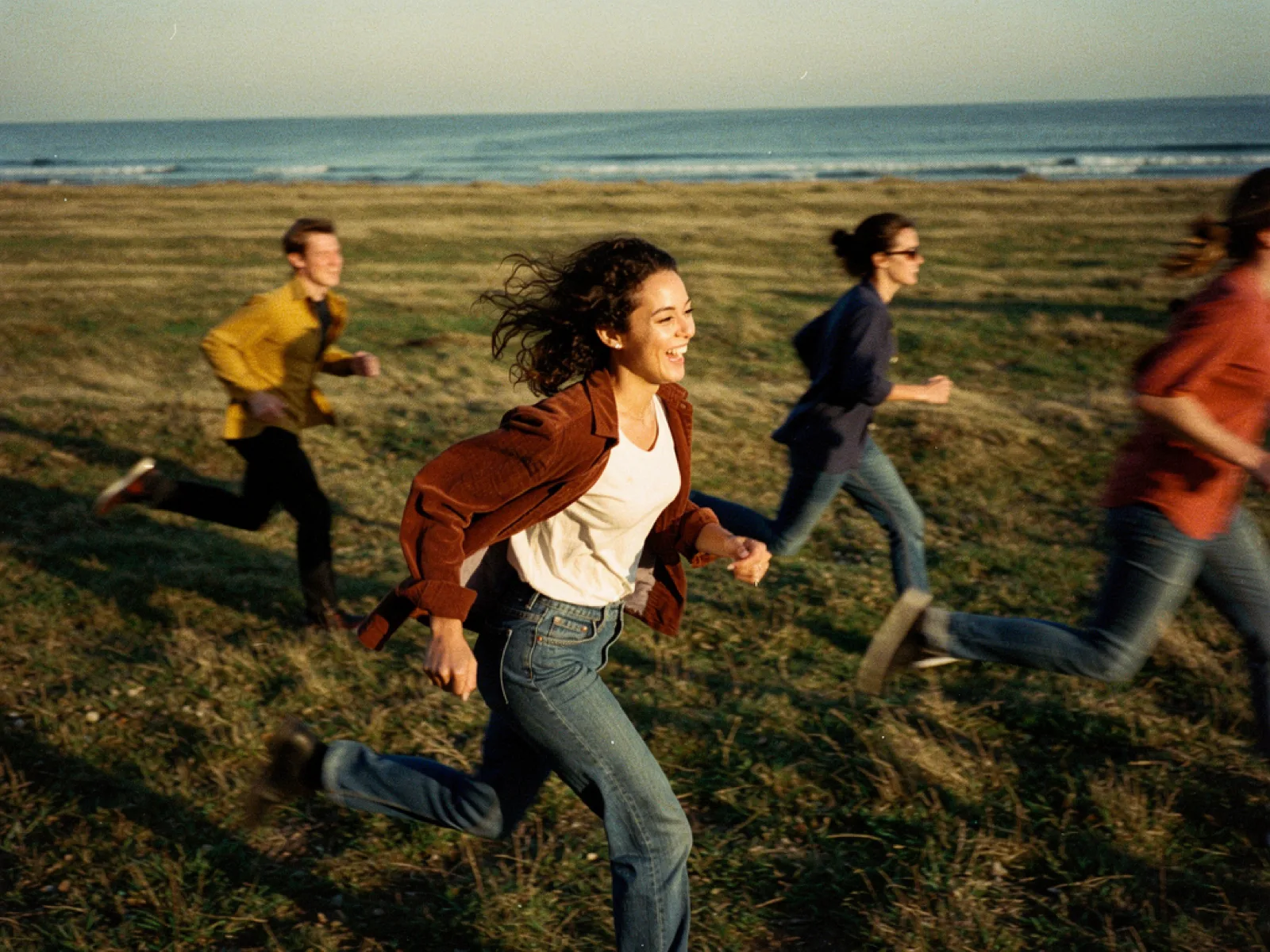
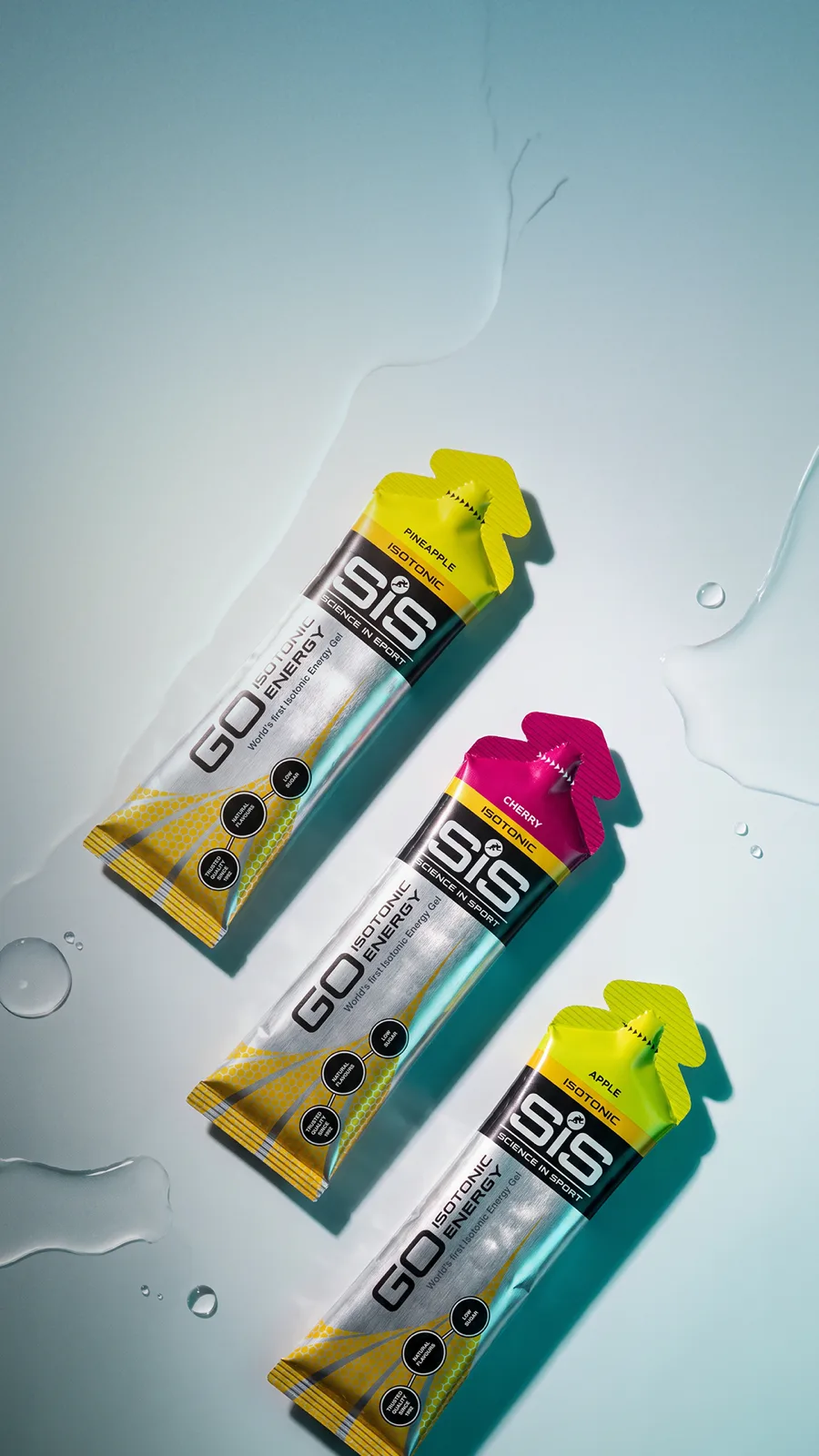
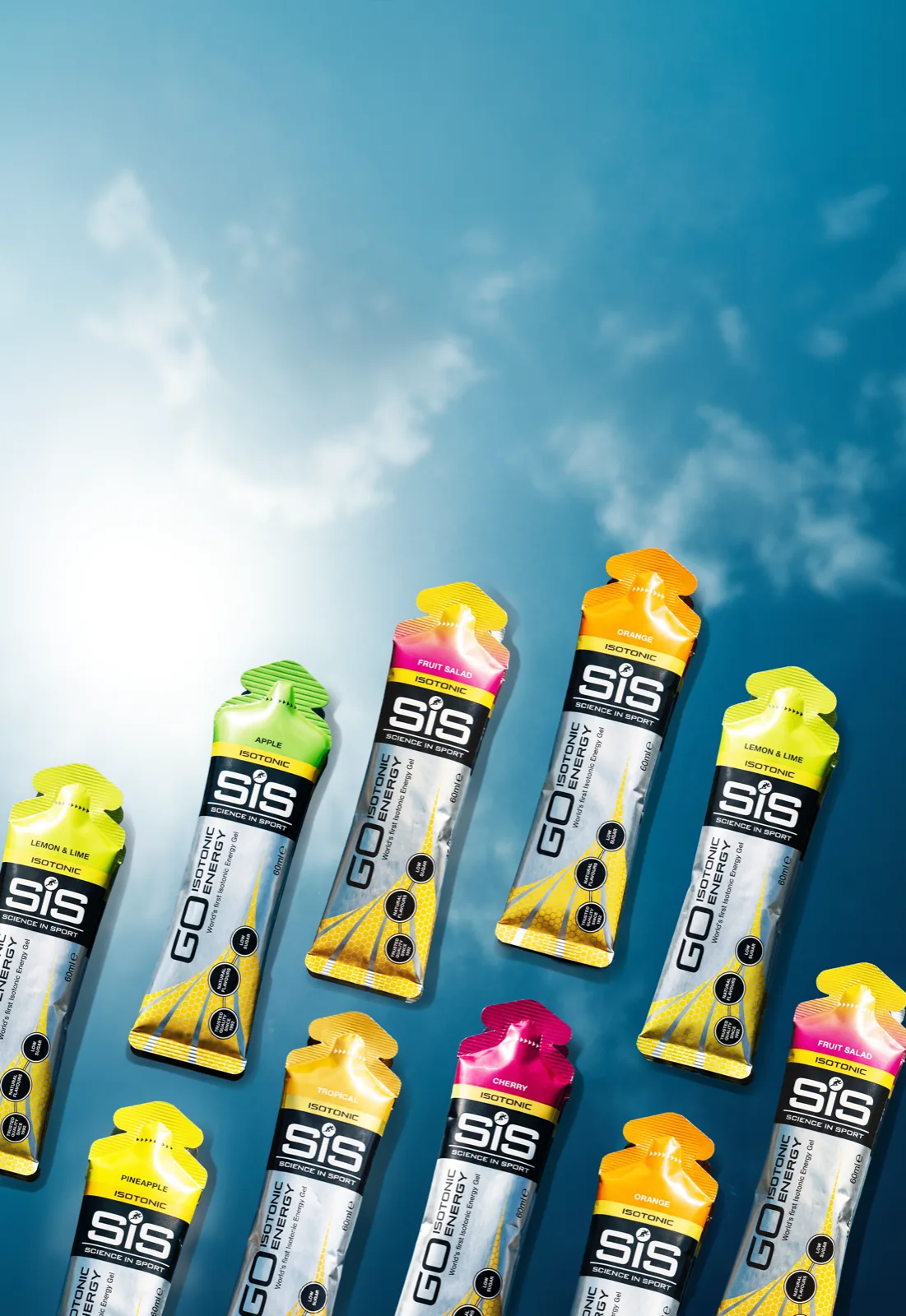
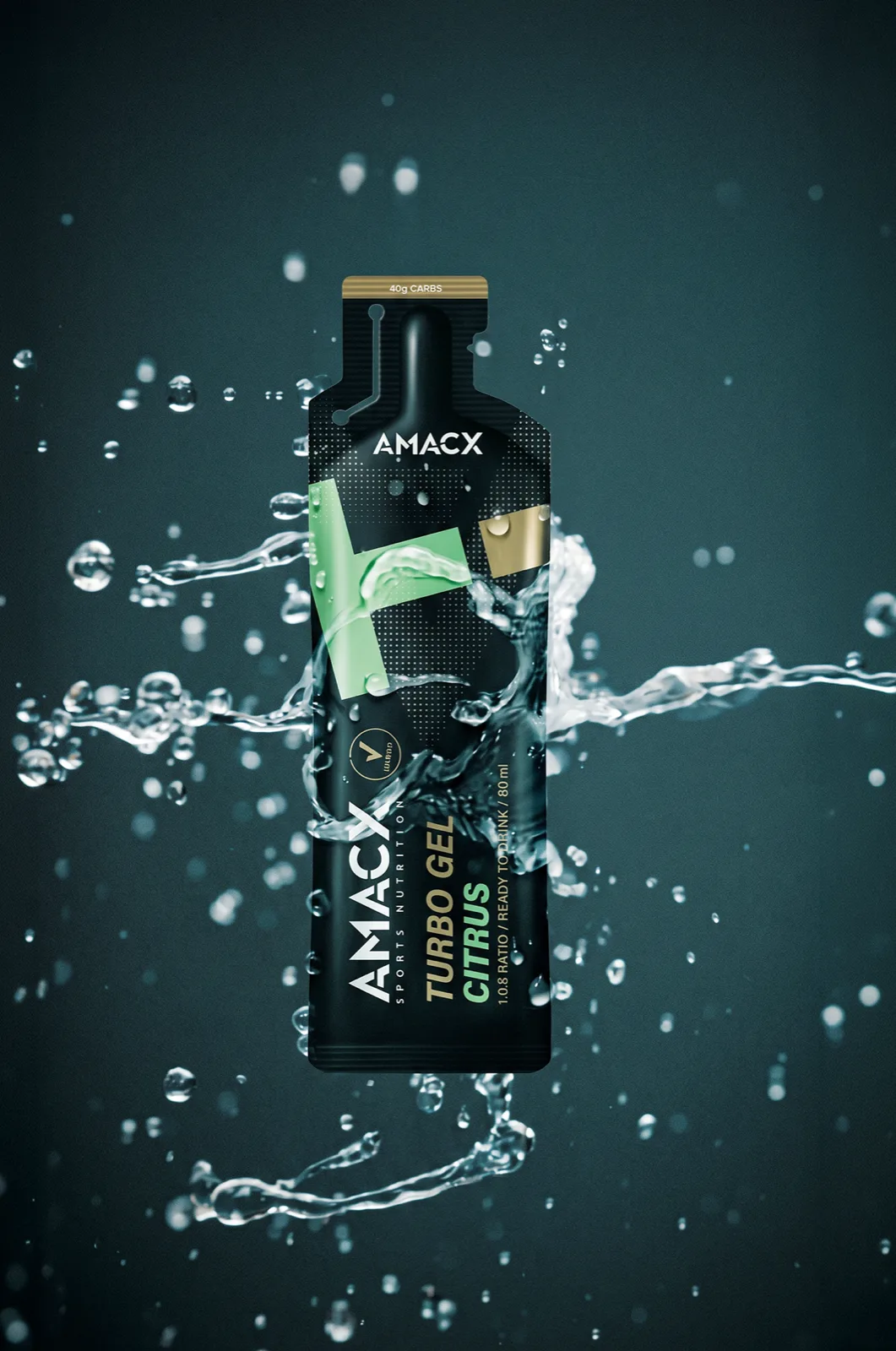
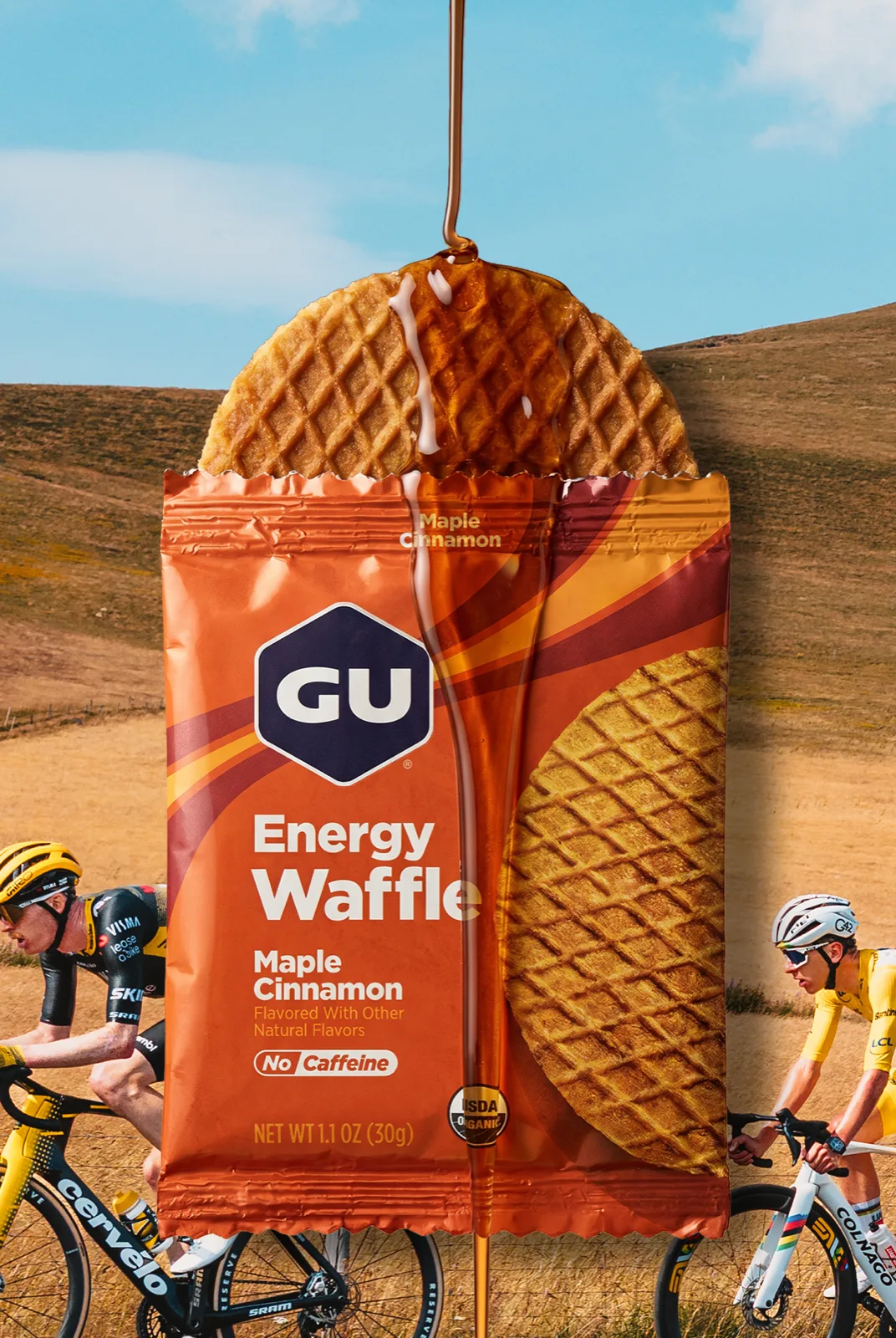
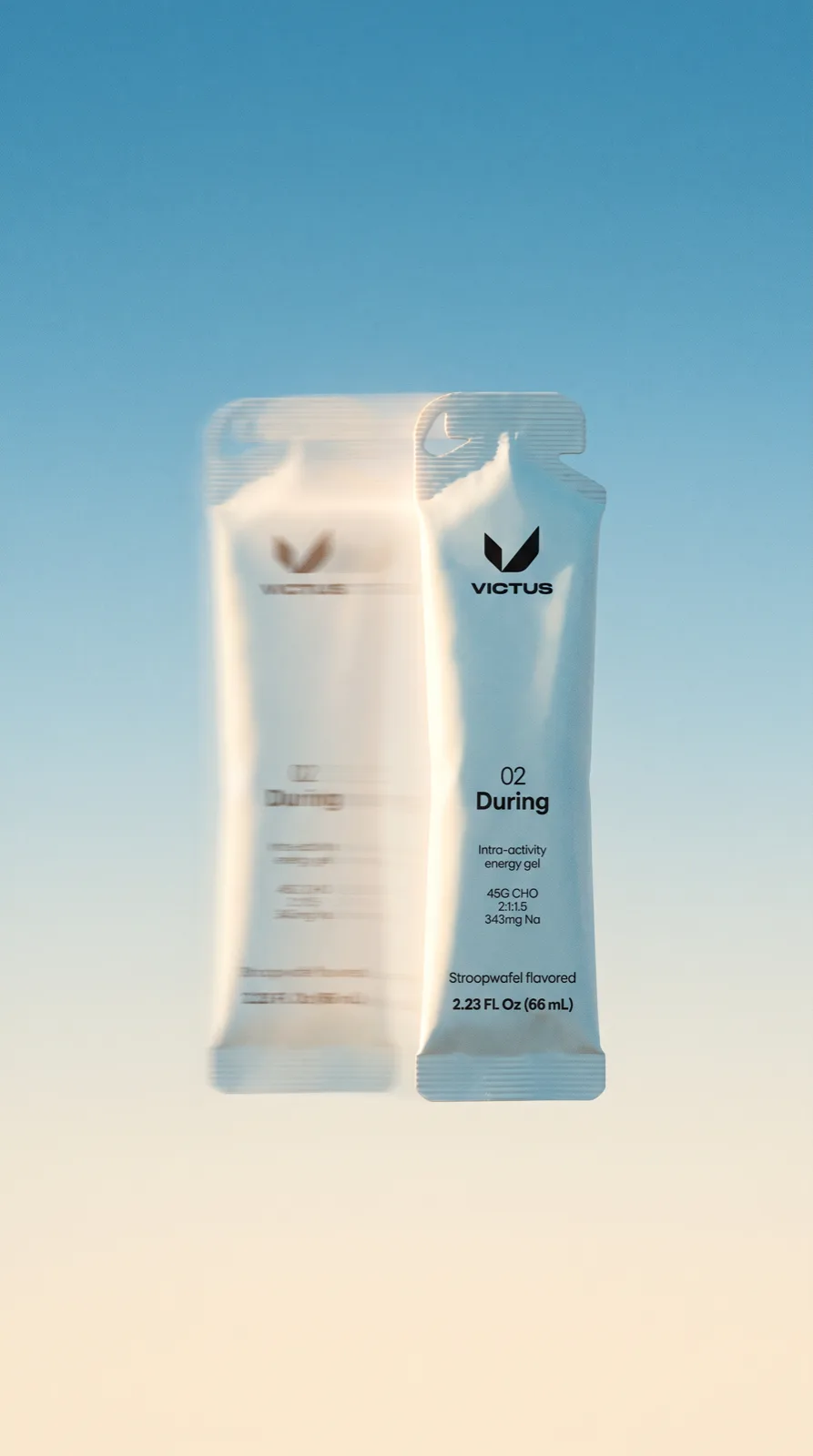
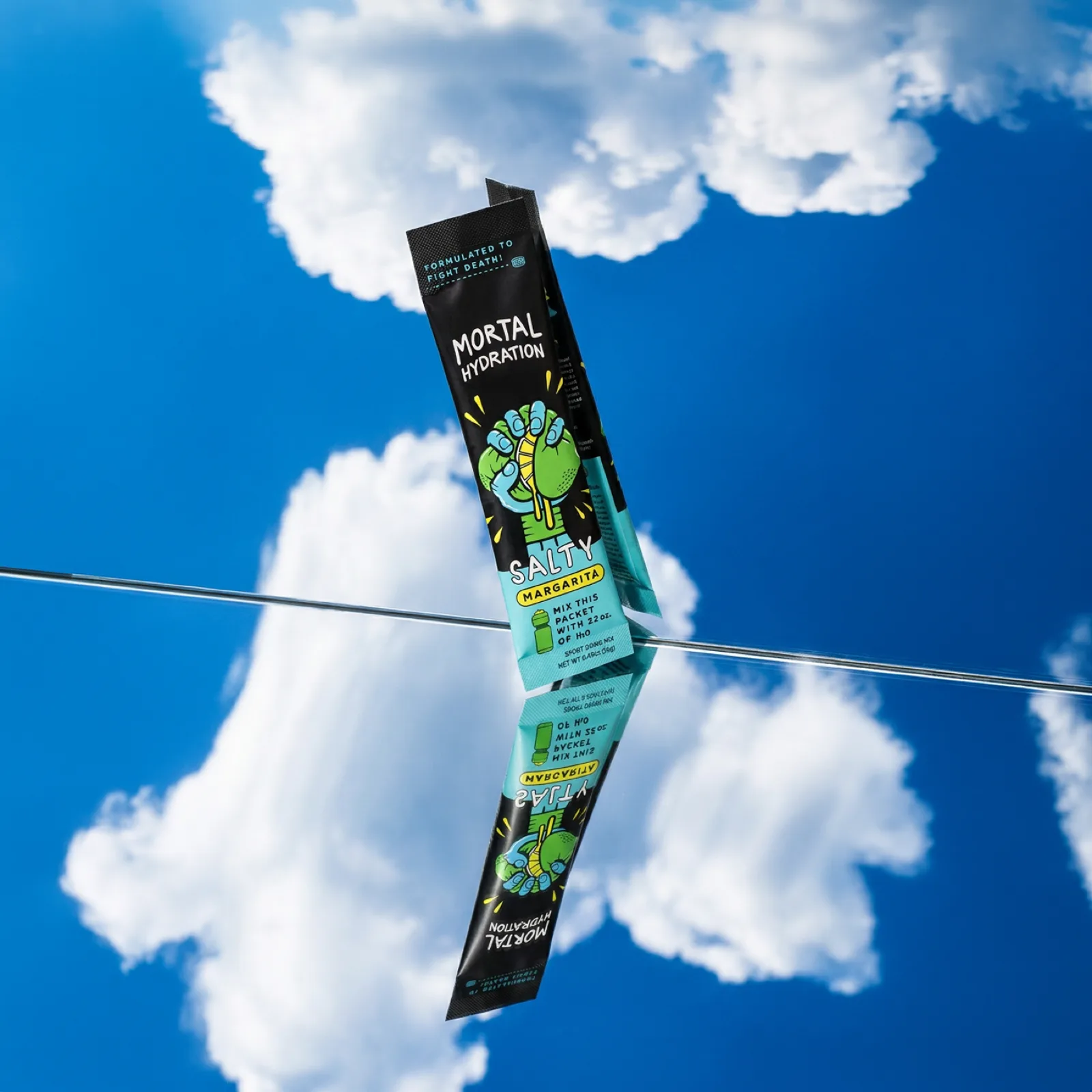
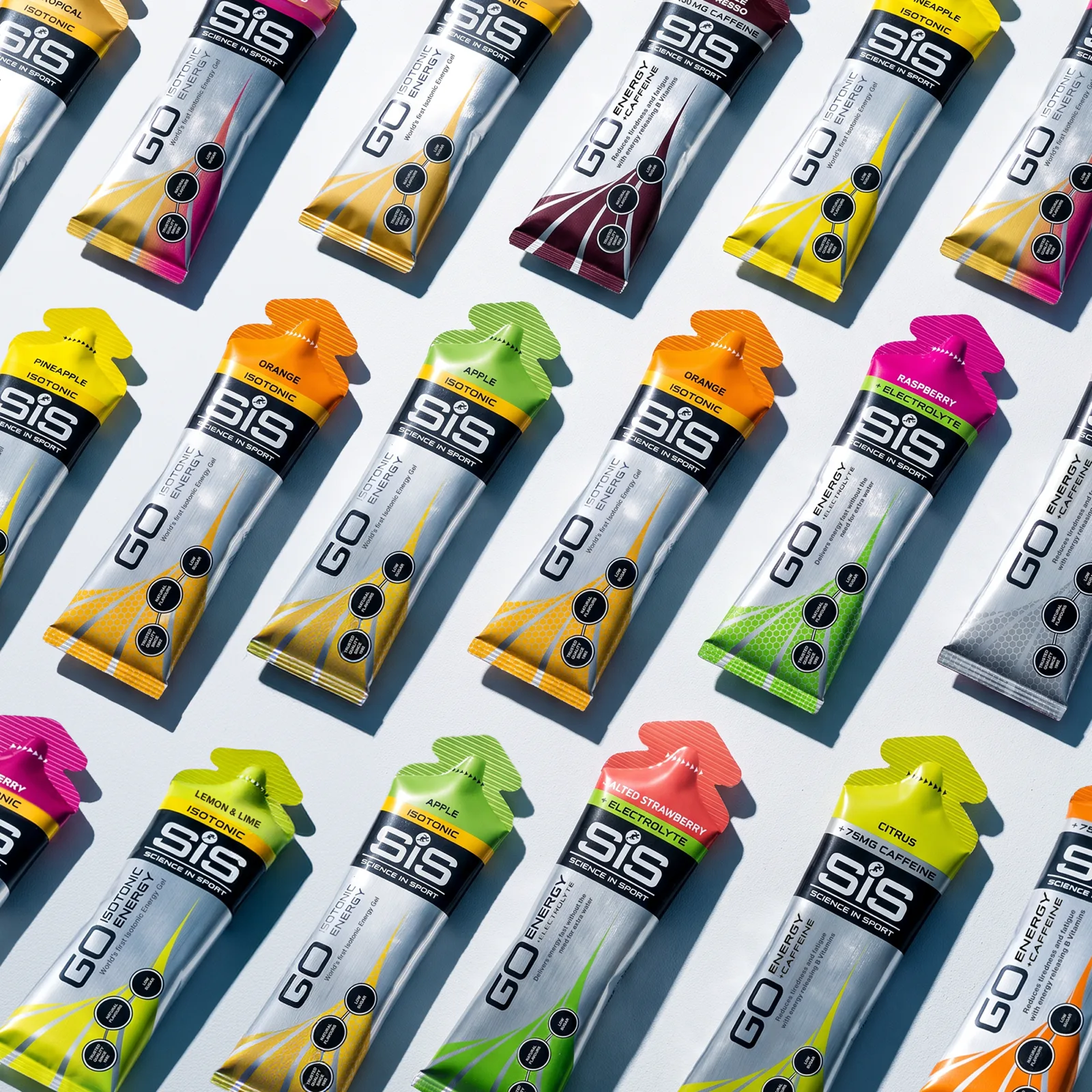
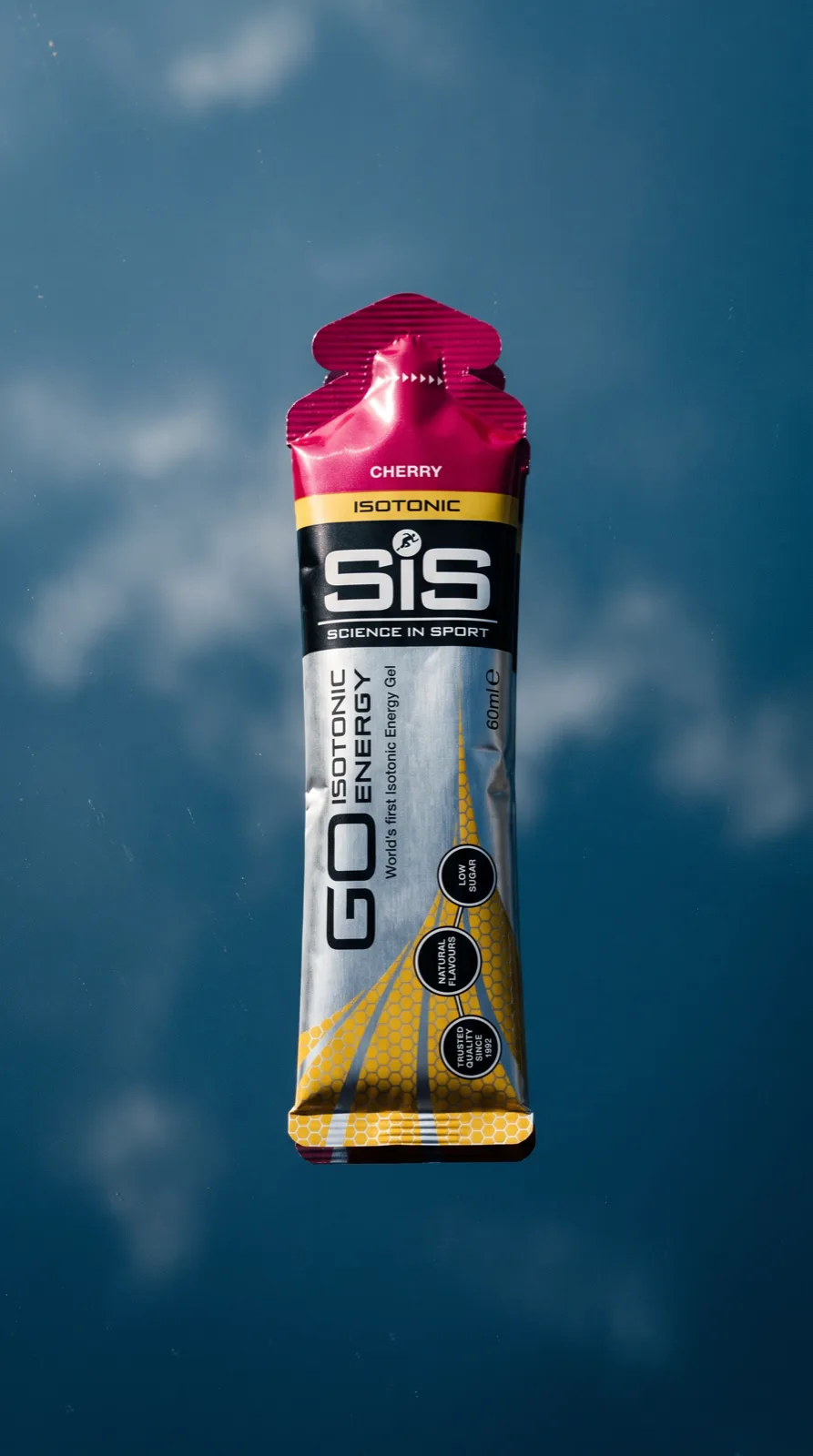
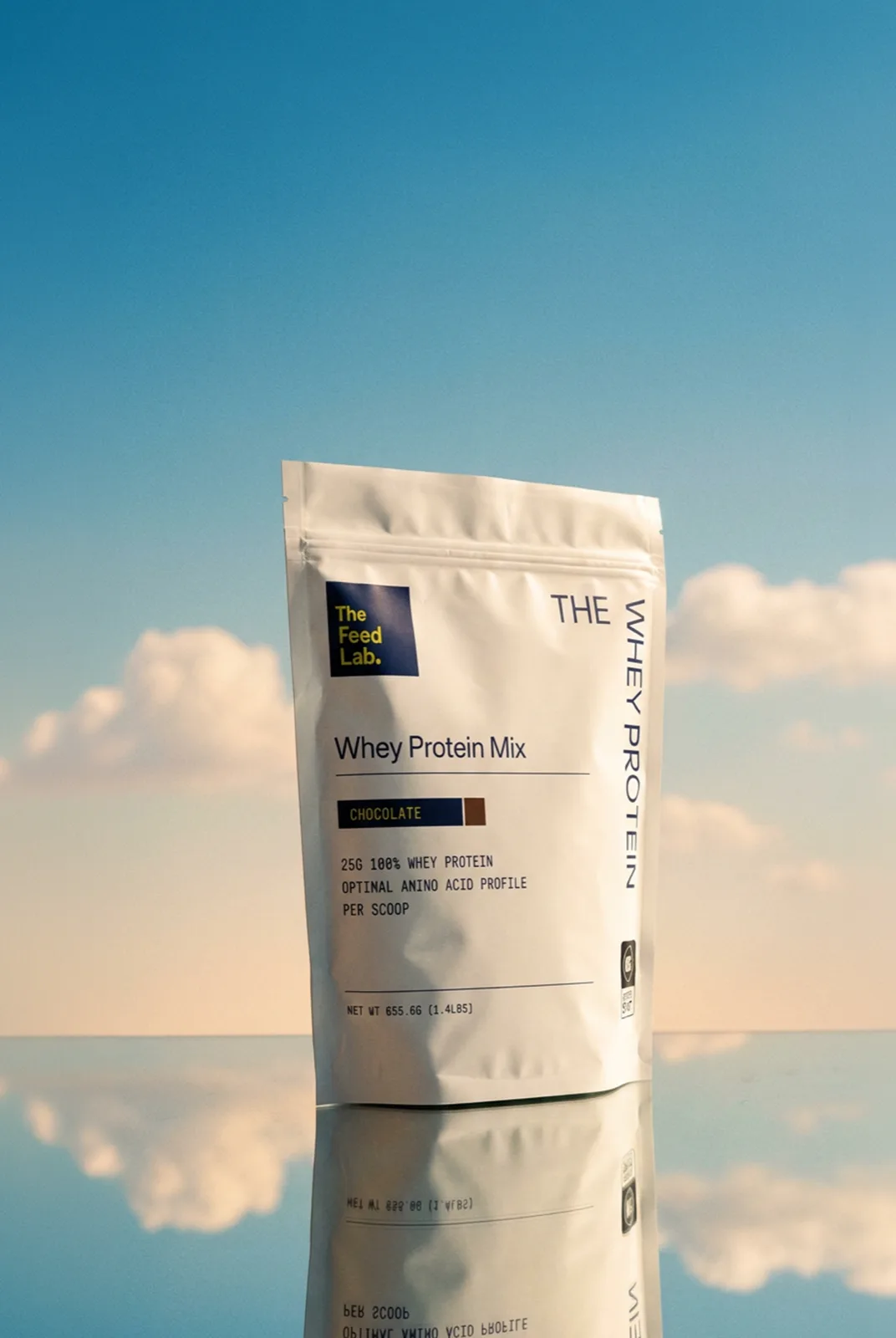
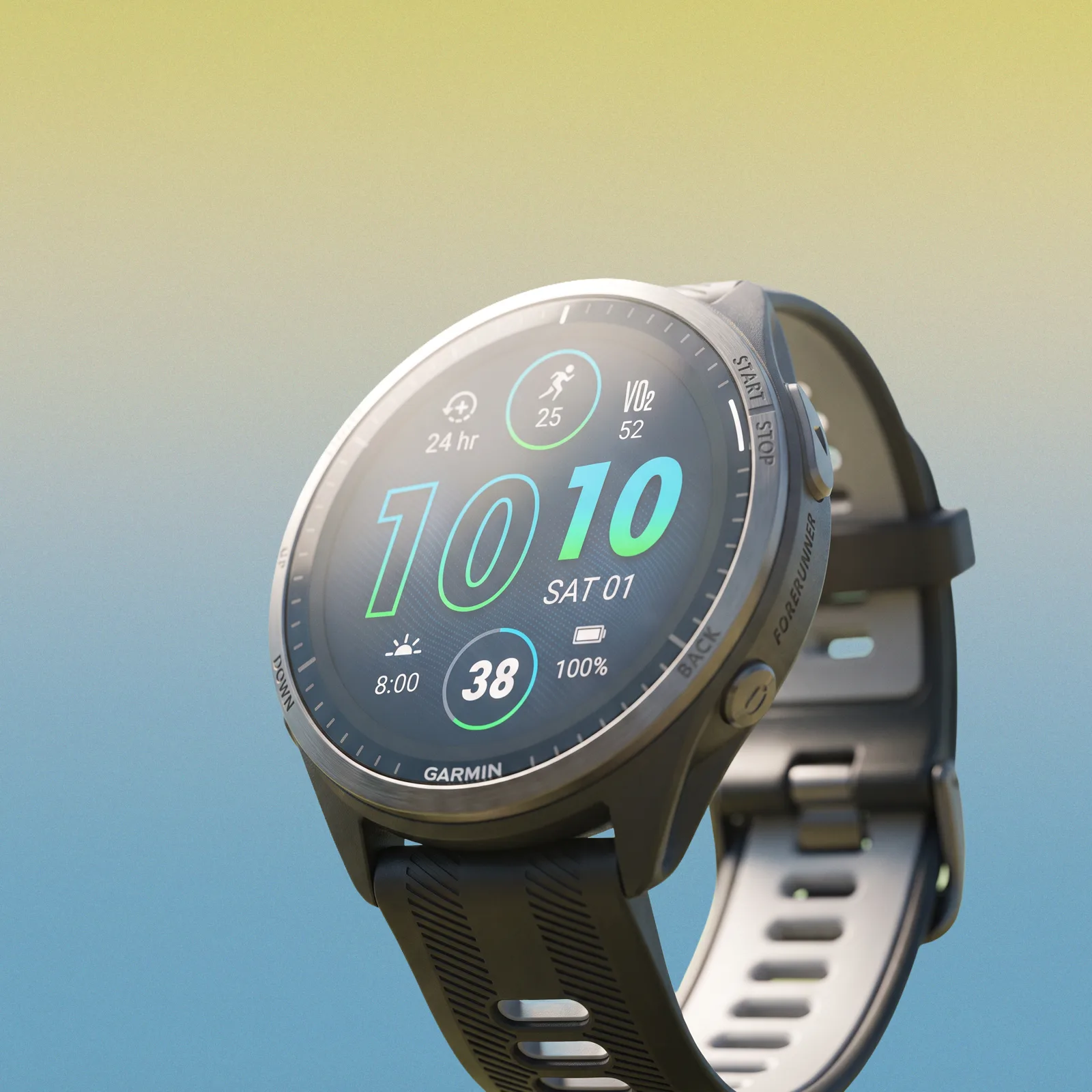
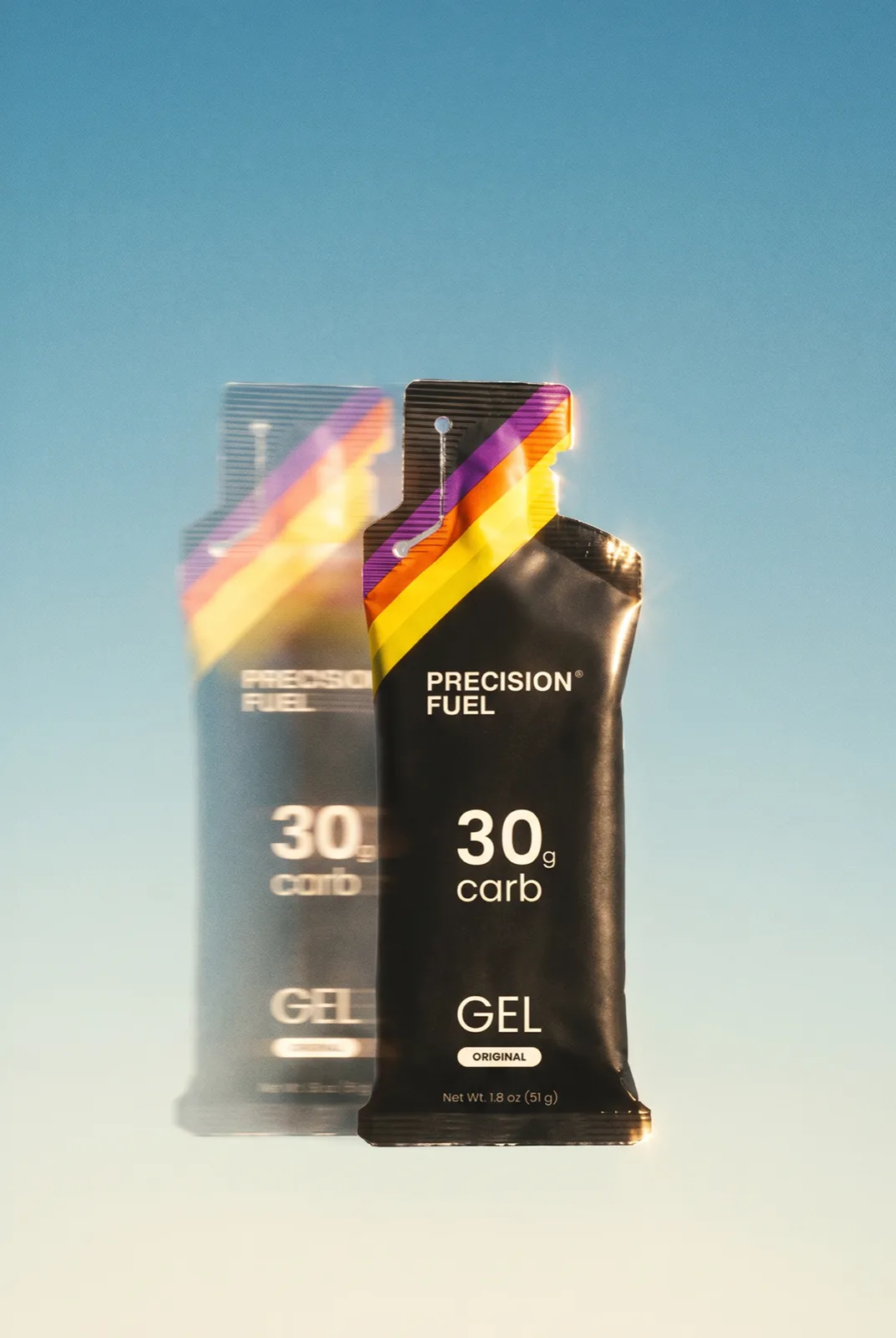
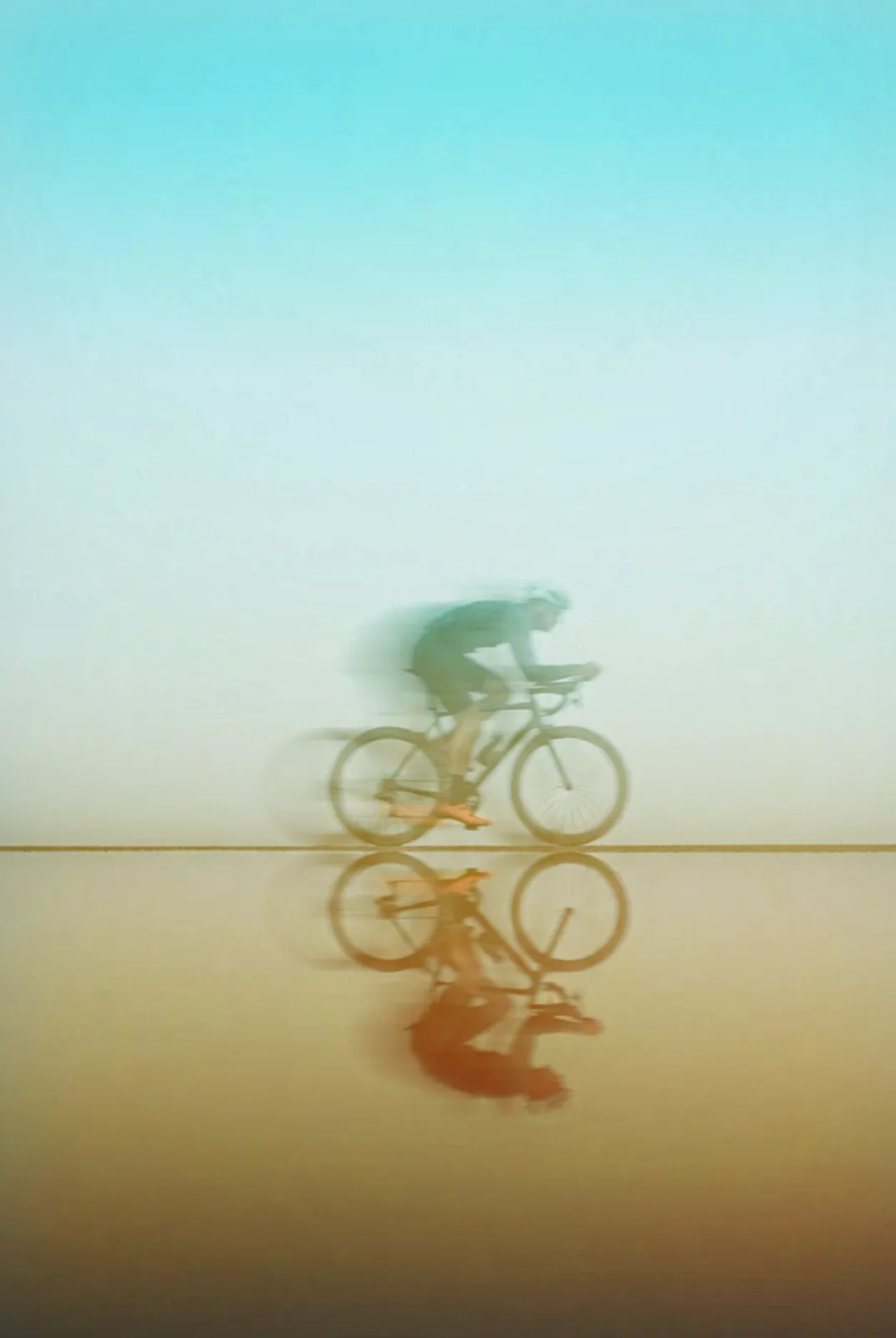
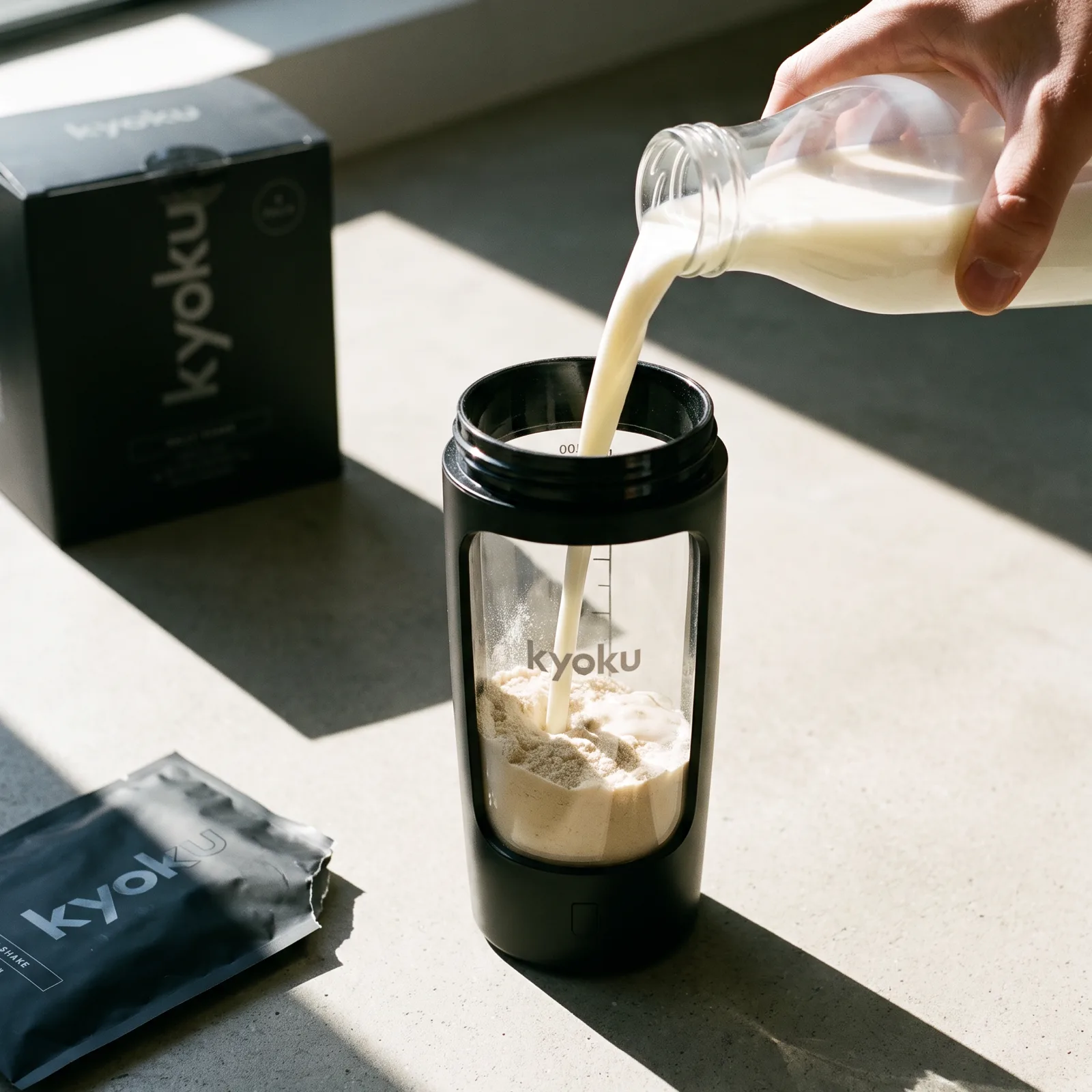
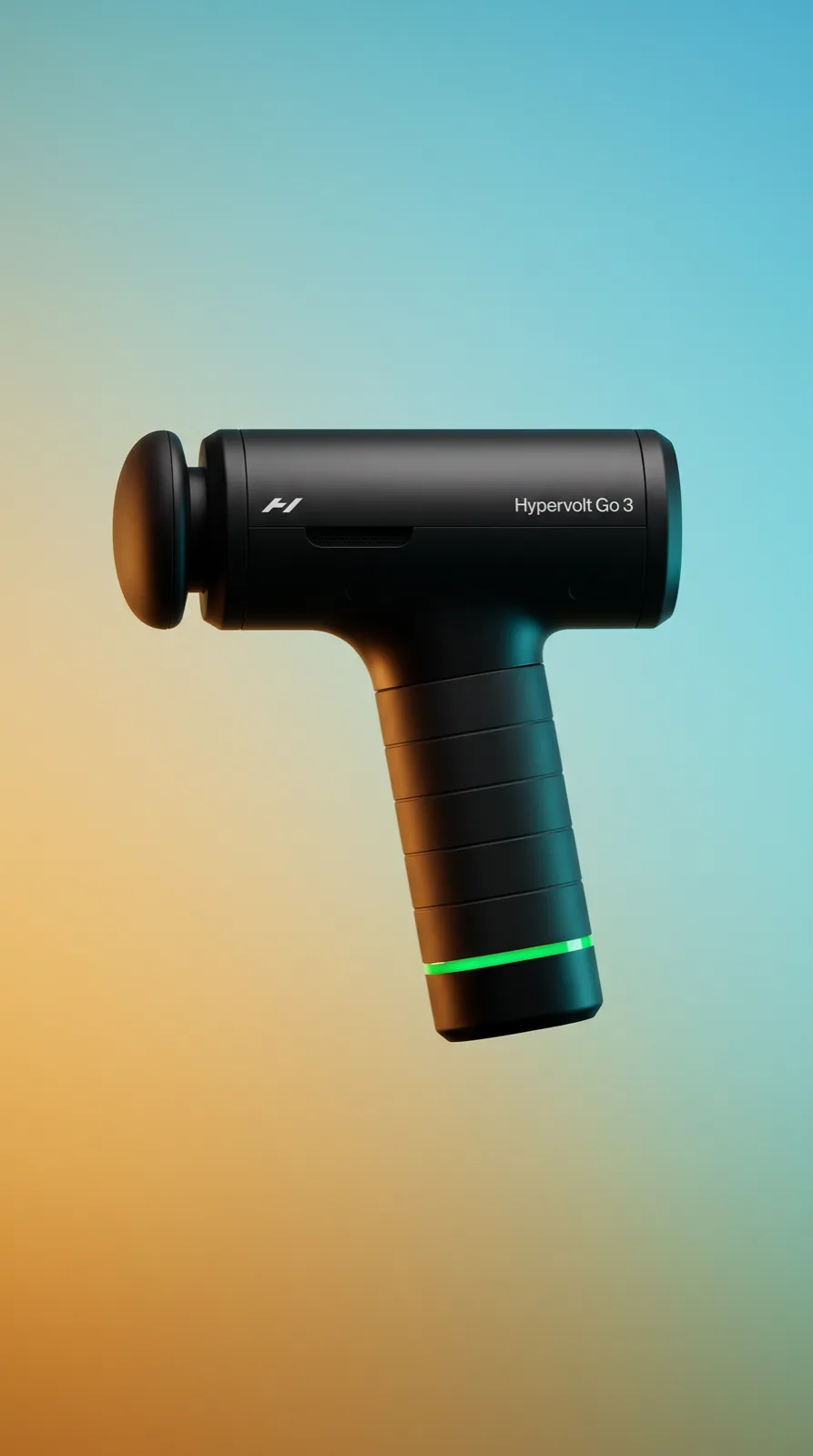
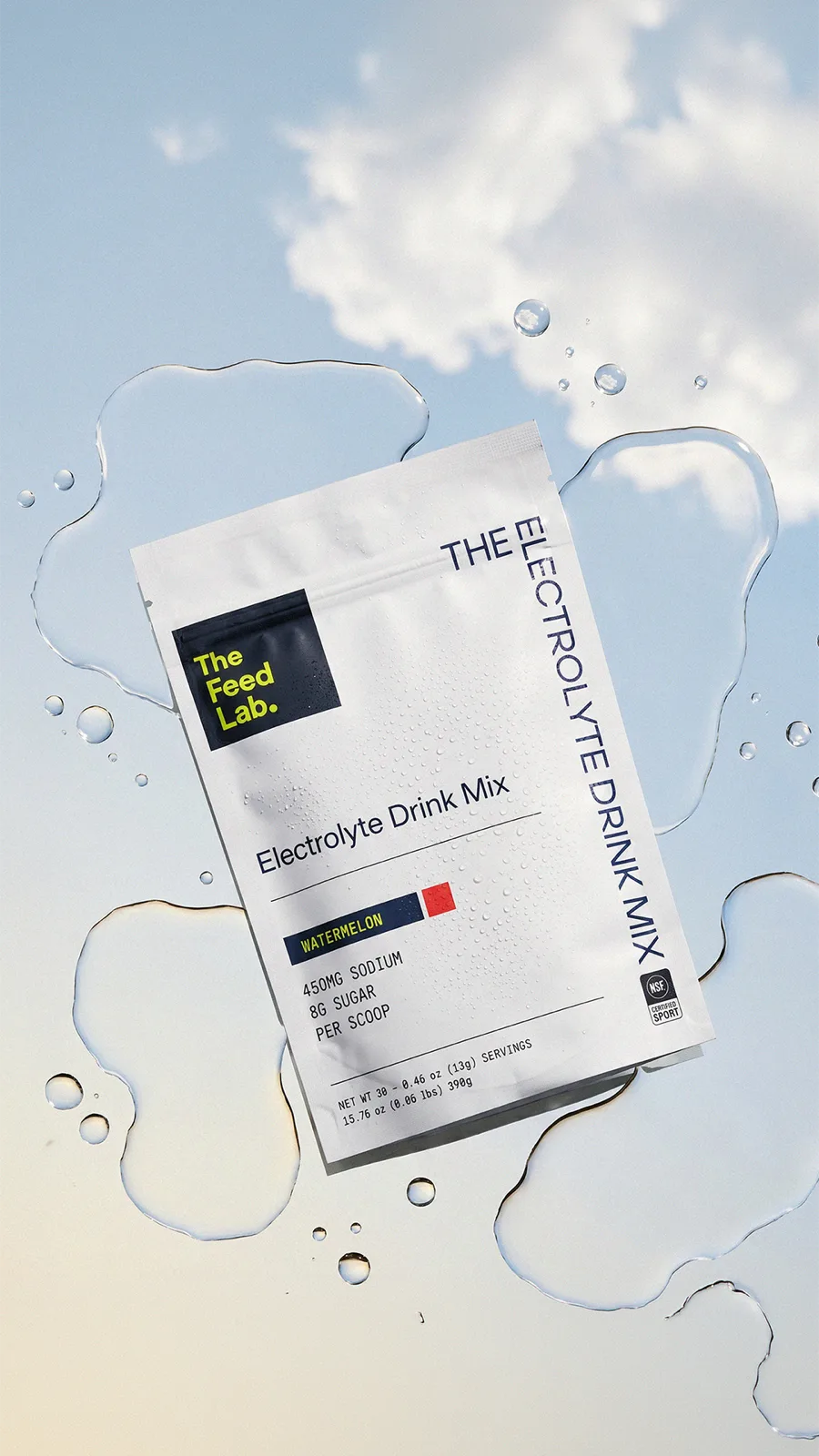
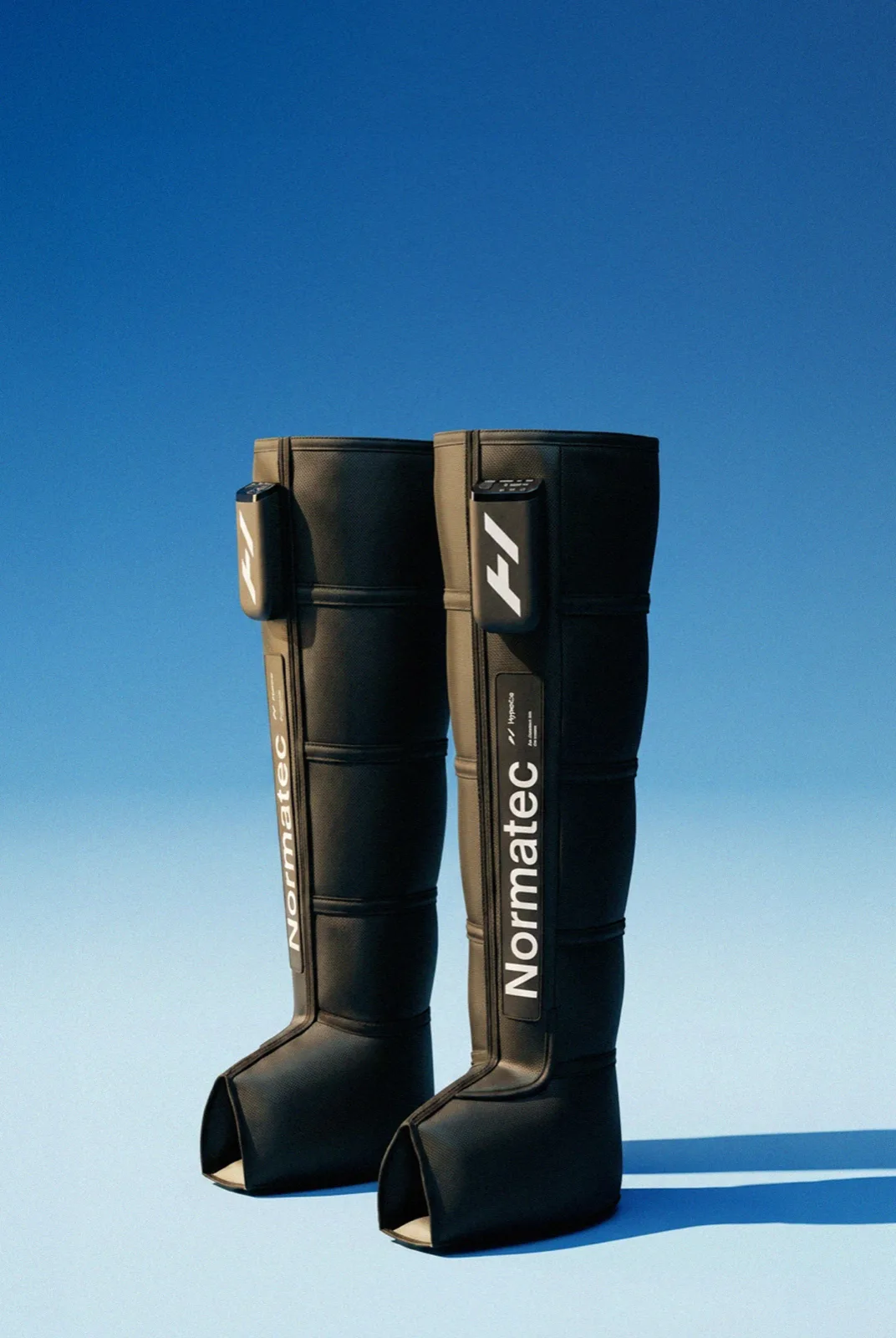
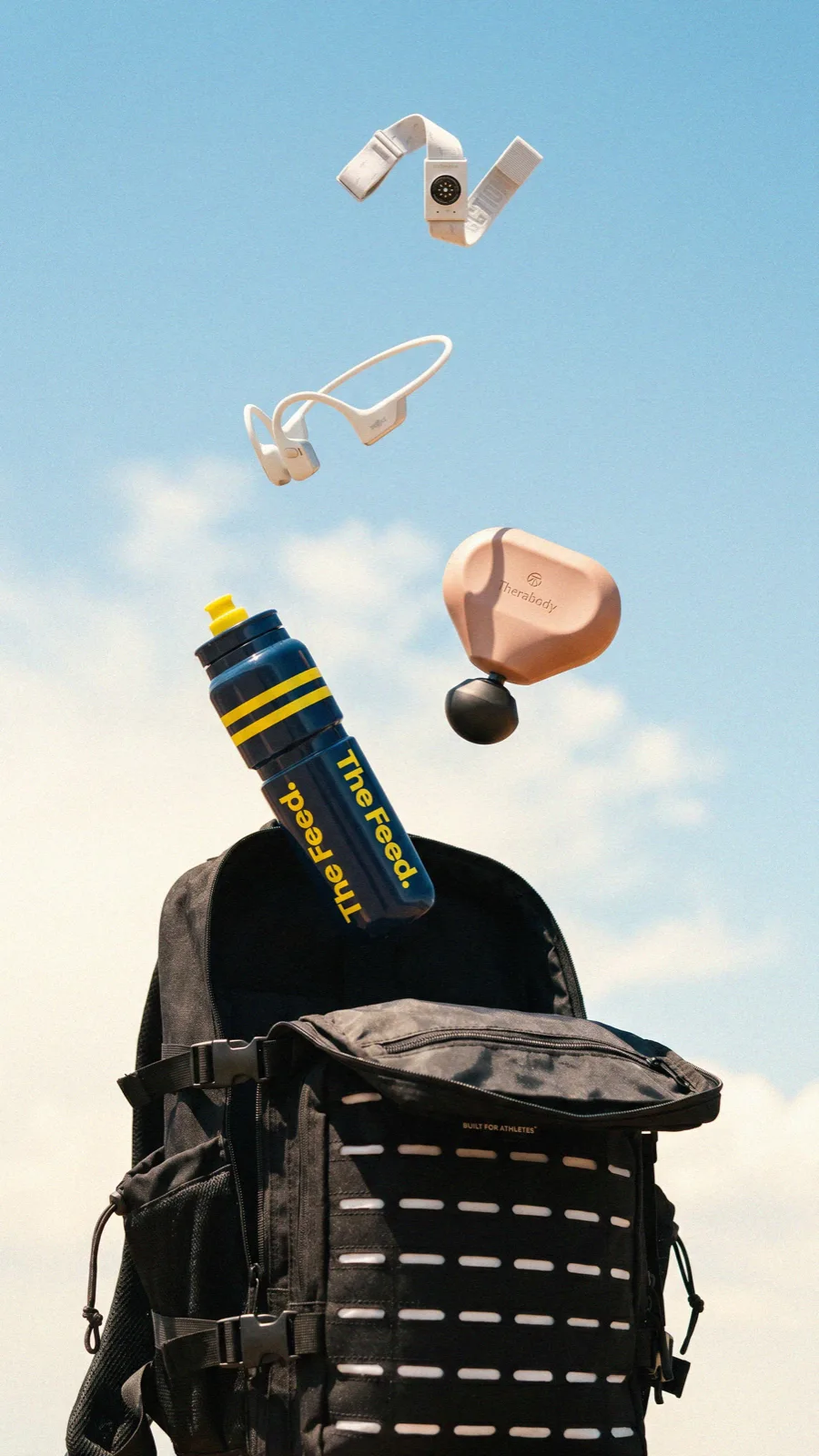
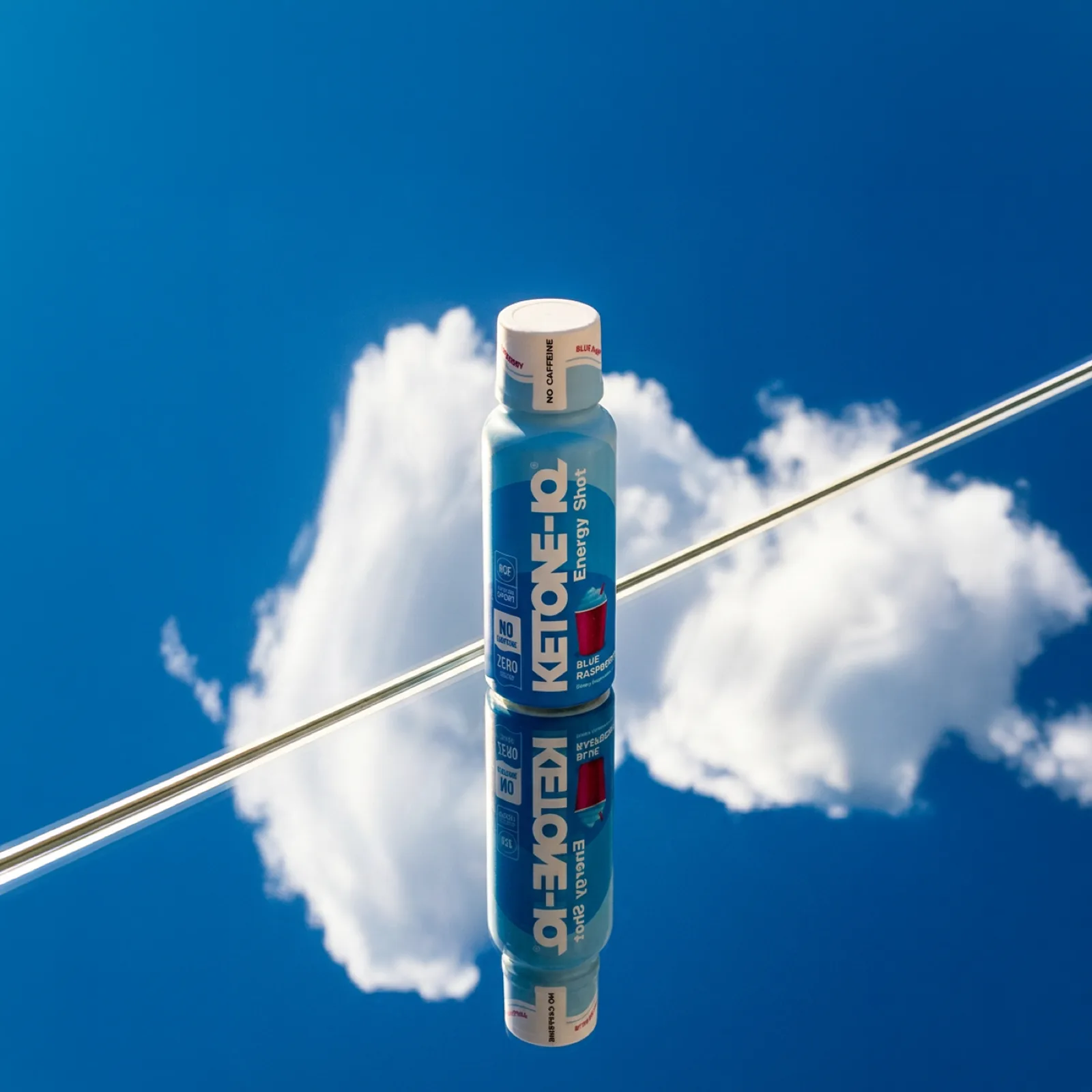
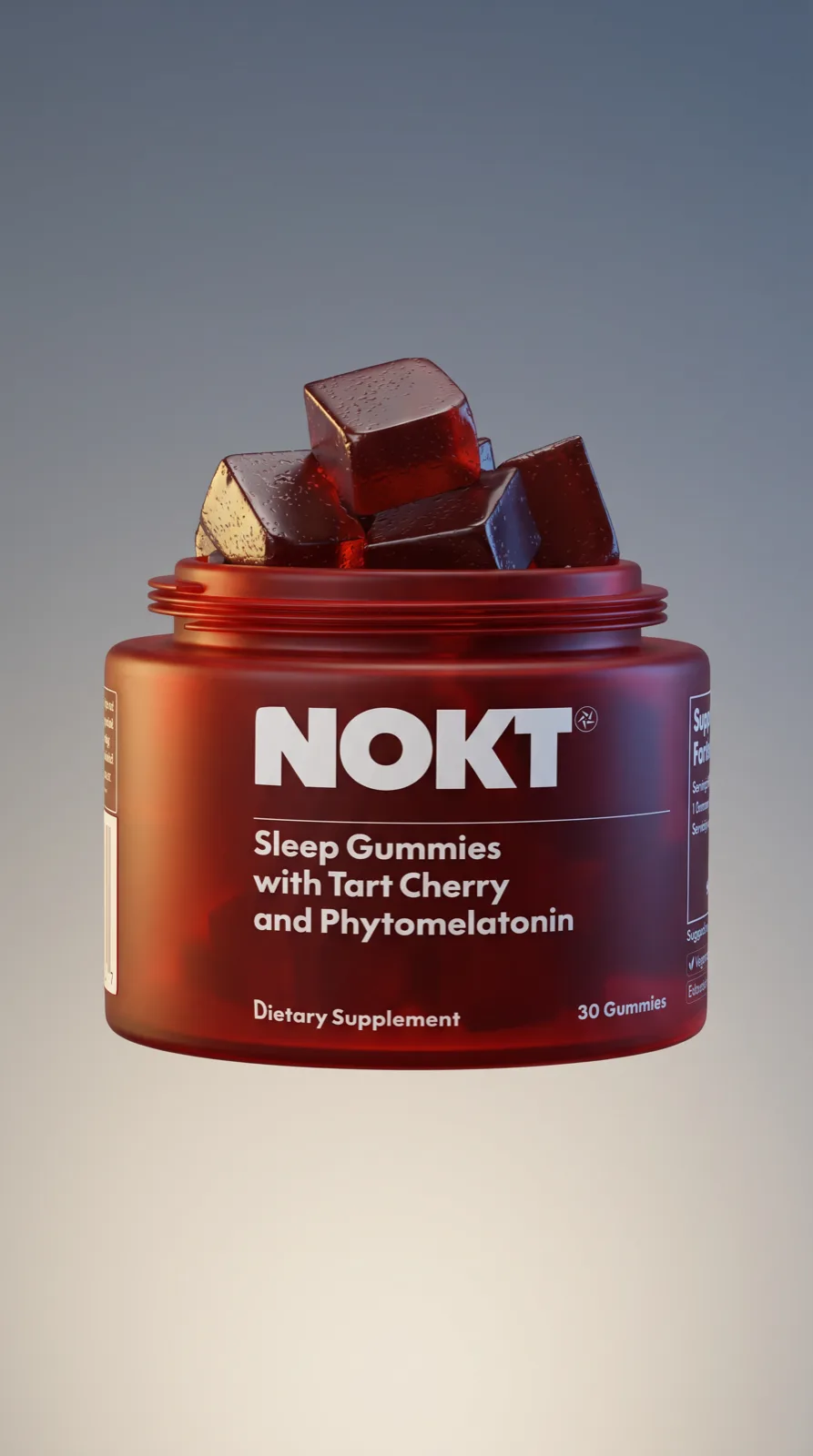
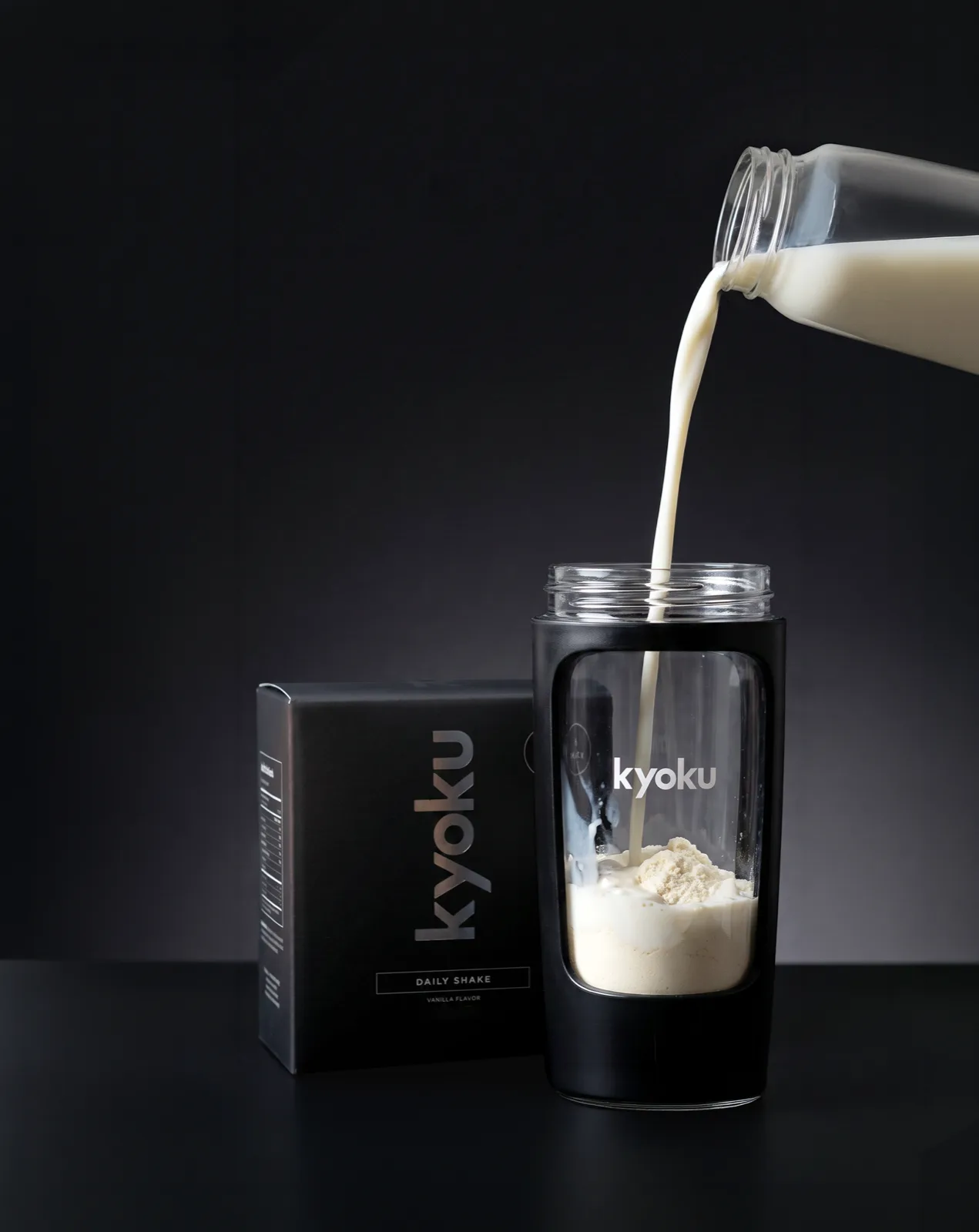
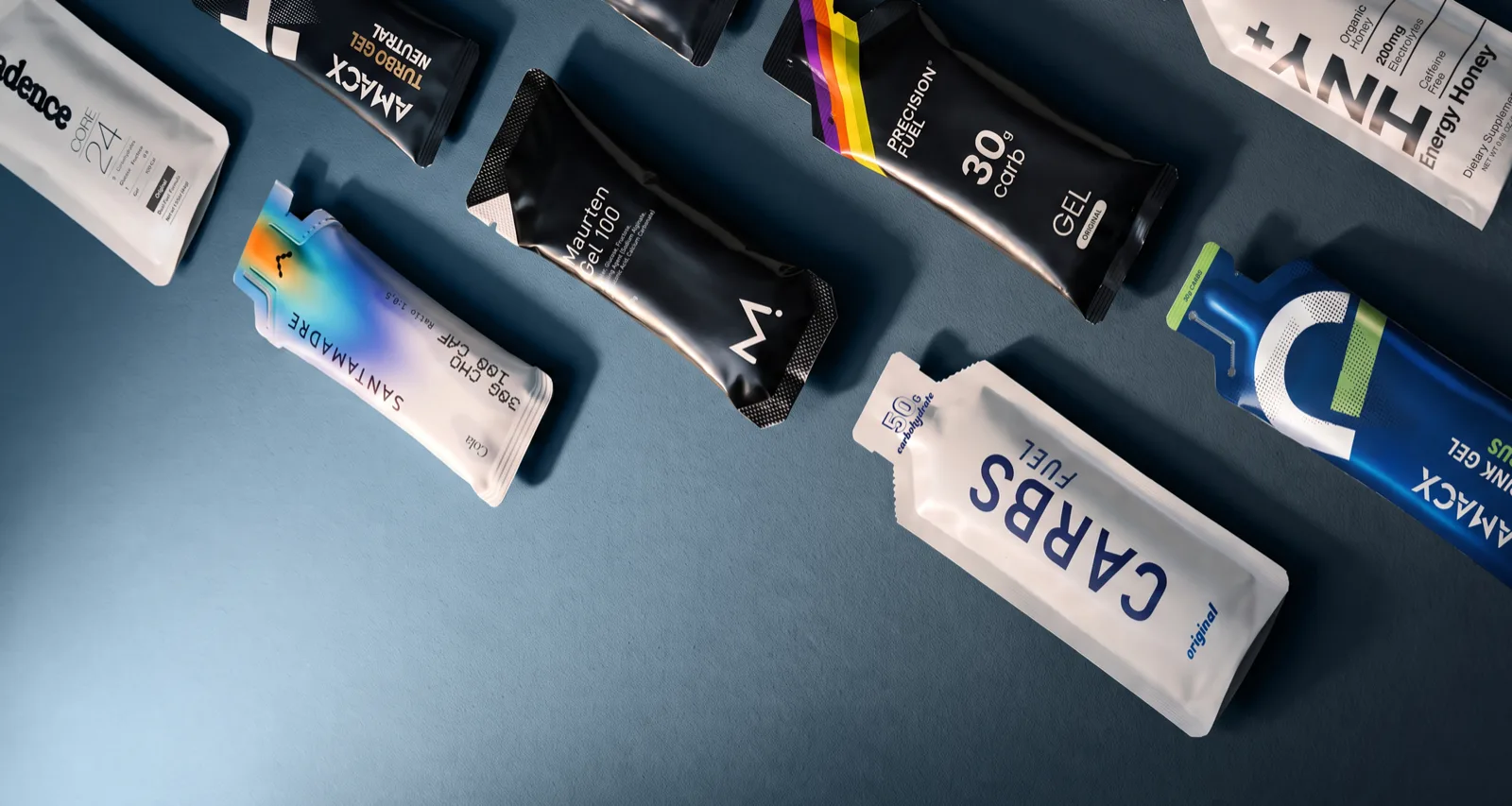
Built a four-stage pipeline: scene generation through Nano Banana (feeding multiple reference images for scale, color, and composition), per-product refinement through Flux Kontext Pro, Photoshop finishing (grain, grading, dodge/burn), and final upscaling through Topaz. The system produced a full editorial imagery library for a homepage redesign across 22 category cards with no traditional photography. Prompt architecture is locked into a structured brief format covering role, scale, products, scene, lighting, and quality constraints, producing consistent results across outputs. Supporting infrastructure includes a React-based content tracker, session handoff briefs, and versioned prompt files, making the pipeline reproducible across collaborators and sessions. The methodology is built into Weavy and extends across Midjourney and Kling, with LoRA training used for product consistency across generations.

DAM Architecture & the Feed Creative Engine
+ view work

Designed and shipped a production DAM and the ad-creative pipeline built on top of it. Sole contributor.

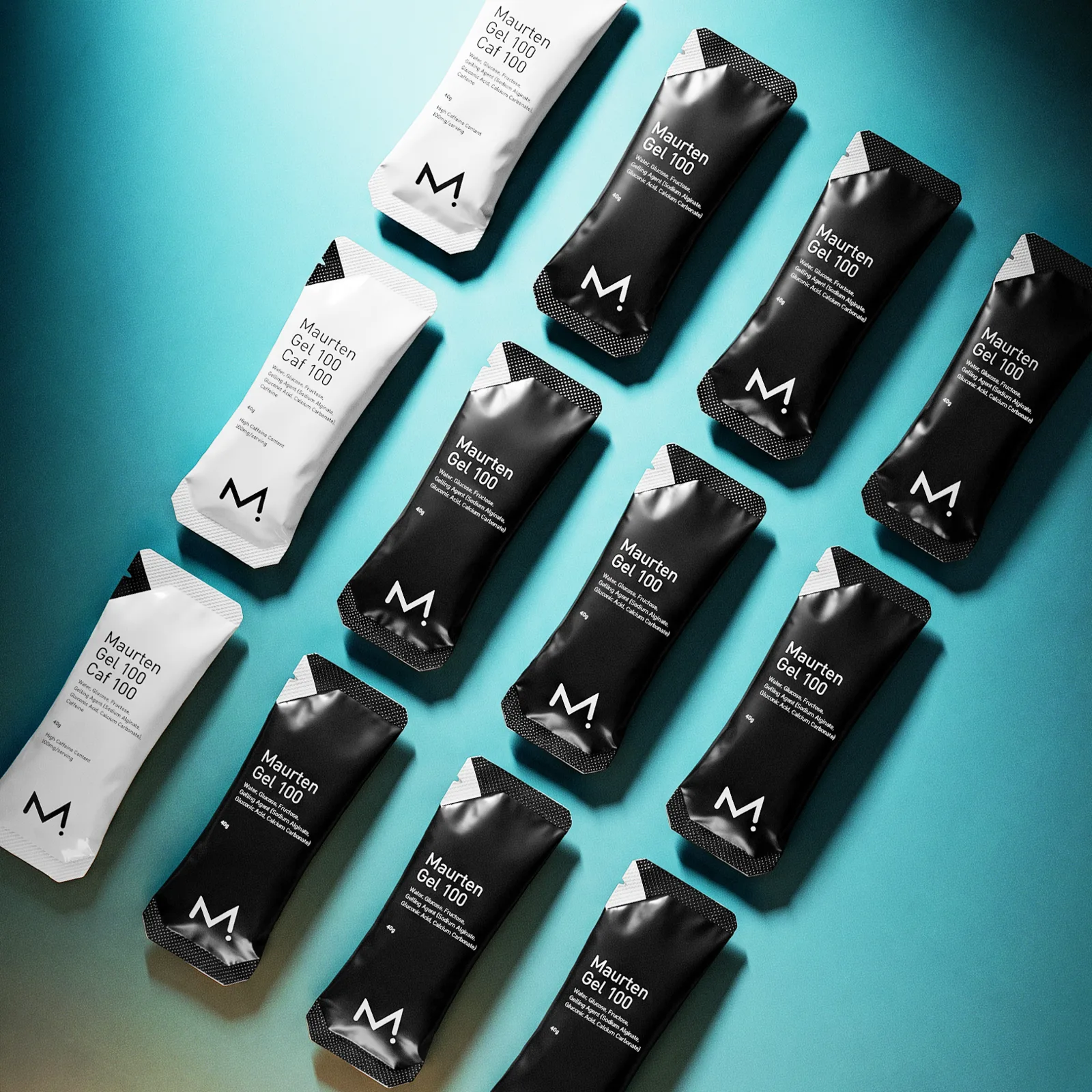
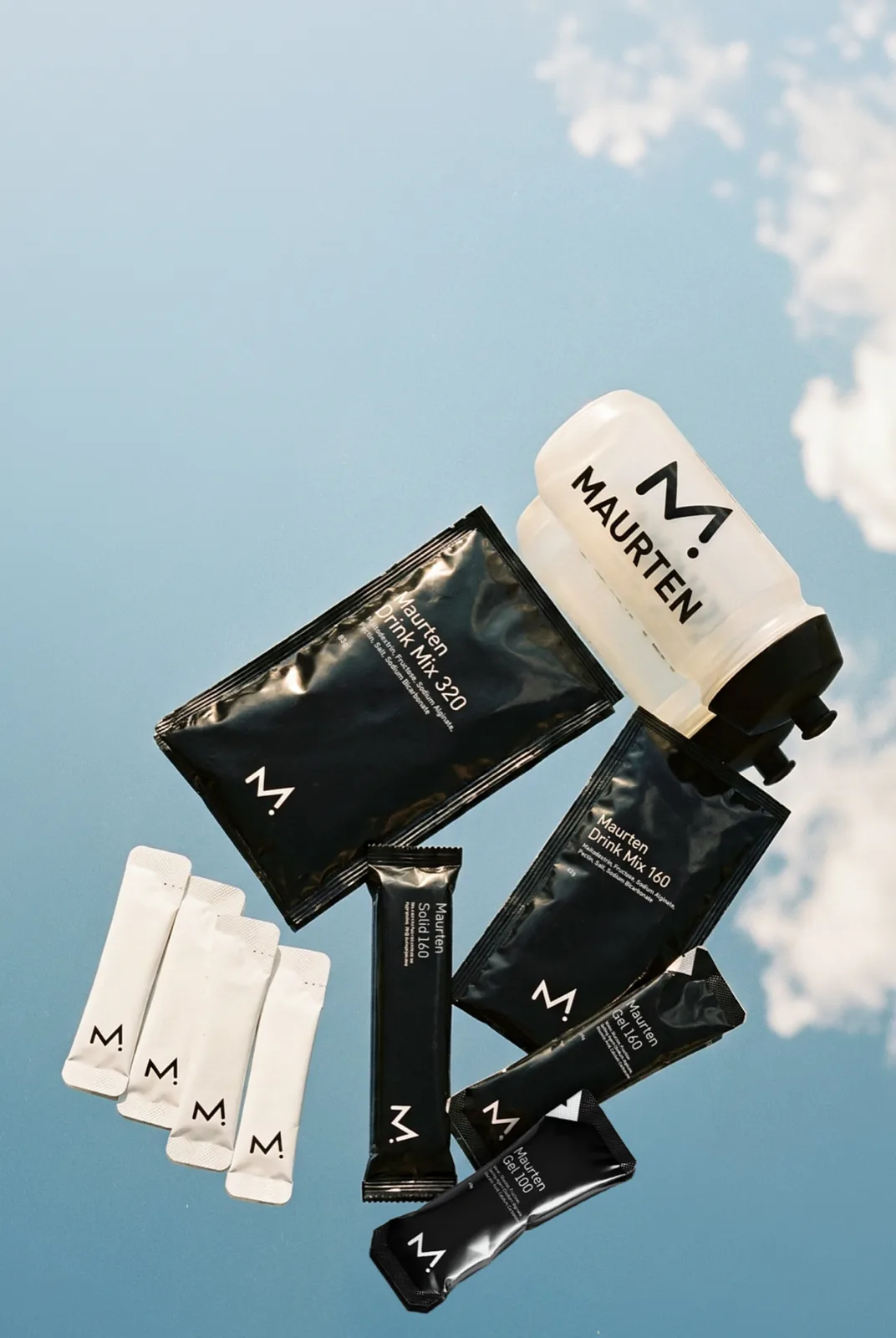
Owned the taxonomy governance, metadata schema, ingestion standards, and vendor upload workflows for The Feed's Canto DAM across roughly 200 brands. A complete audit revealed structural failures: 45% of assets missing category data, a rigid folder hierarchy that forced duplication, no rendition model linking Shopify-optimized images to their source files, and naming misalignment between 286 Shopify vendors and 331 DAM brands. In response I designed and built Asset Clarity, a custom Next.js and Supabase replacement: 63,687 assets migrated from the Canto export to 55,629 live, faceted filtering, full-text search, a brand directory, and parent-child rendition linking. Brand metadata coverage improved from 67% to 79%. The architecture is documented in a full PRD written as both build specification and portfolio artifact.

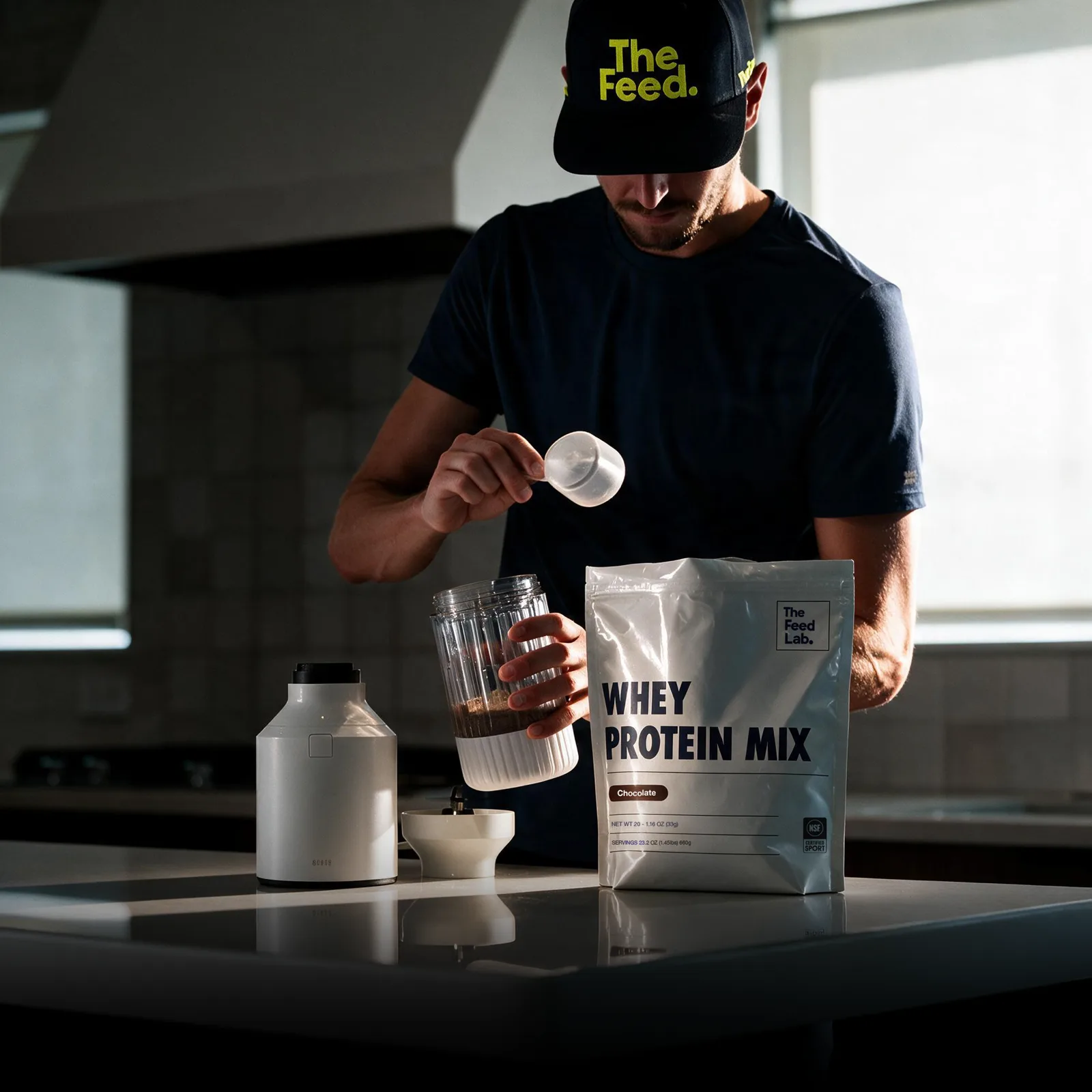
That same curated-asset-store and LLM-queryable-retrieval architecture became the foundation for the Feed Creative Engine, a production ad-creative pipeline shipped on Vercel Pro. It exposes an LLM-callable retrieval API that returns filtered assets and metadata from structured queries, feeding a multi-brand generation workflow. The design rests on a hybrid decision I made and validated against a vendor pilot: generative tools handle net-new imagery only, while a deterministic renderer owns locked brand copy and type, because generative models cannot guarantee brand layers. The Claude Vision tagging pipeline was extended to emit composition metadata such as focal points, subject boxes, and tone maps through a human review-and-confirm loop.
Front-End Creative Systems & Implementation
+ view work

Owns the full surface where AI-produced creative meets the customer: CMS architecture, homepage systems, and content deployment across Contentful and Shopify.

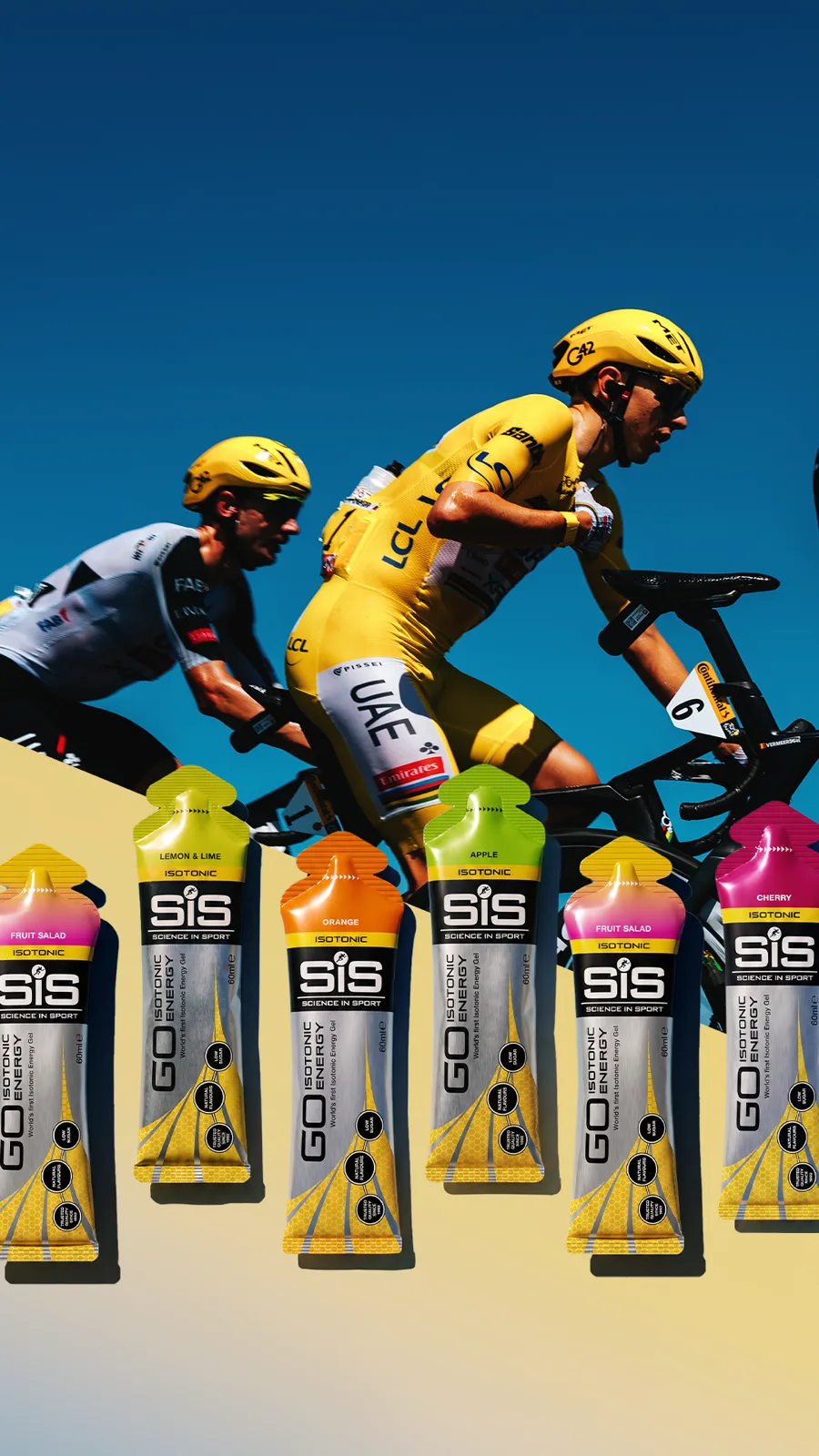
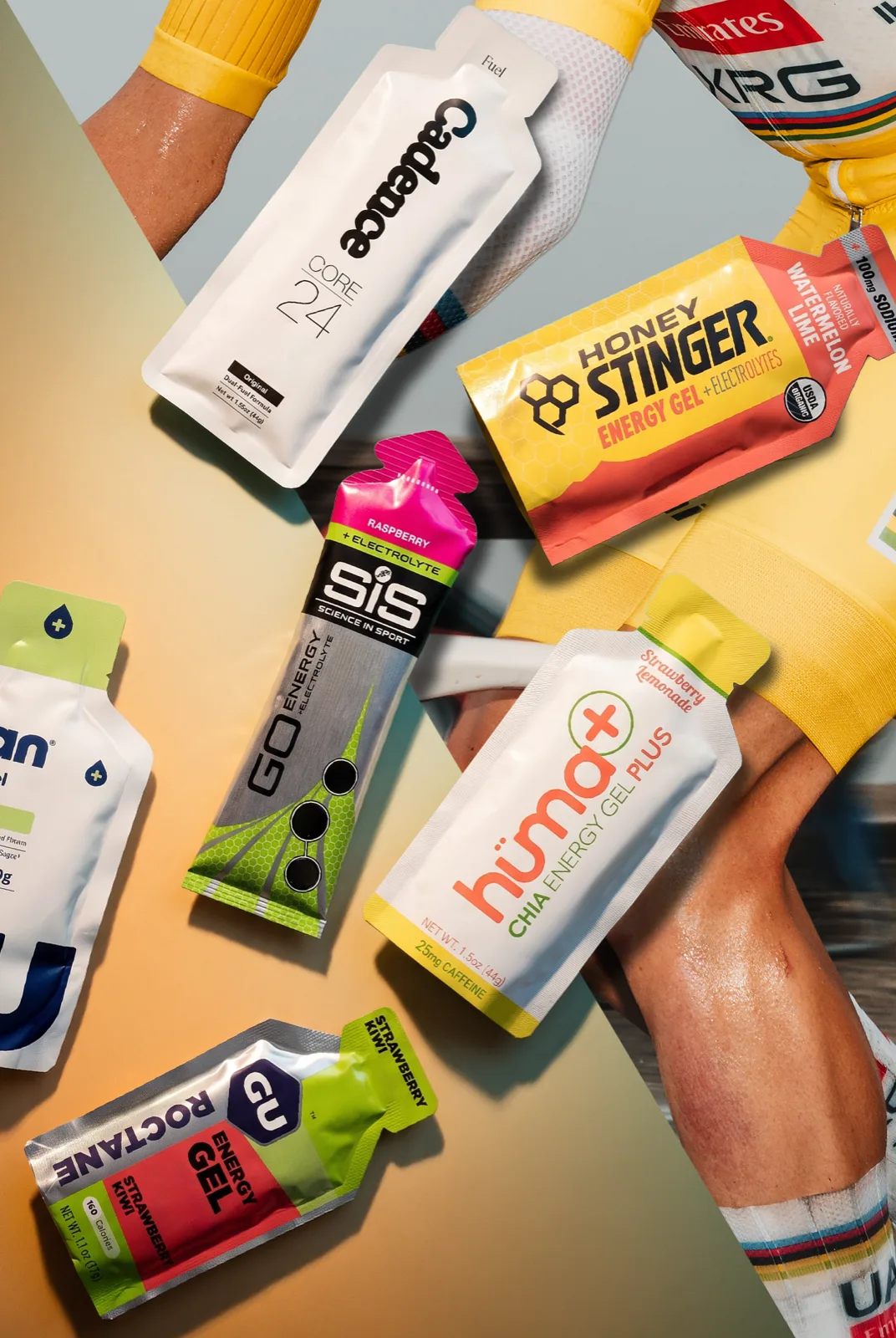
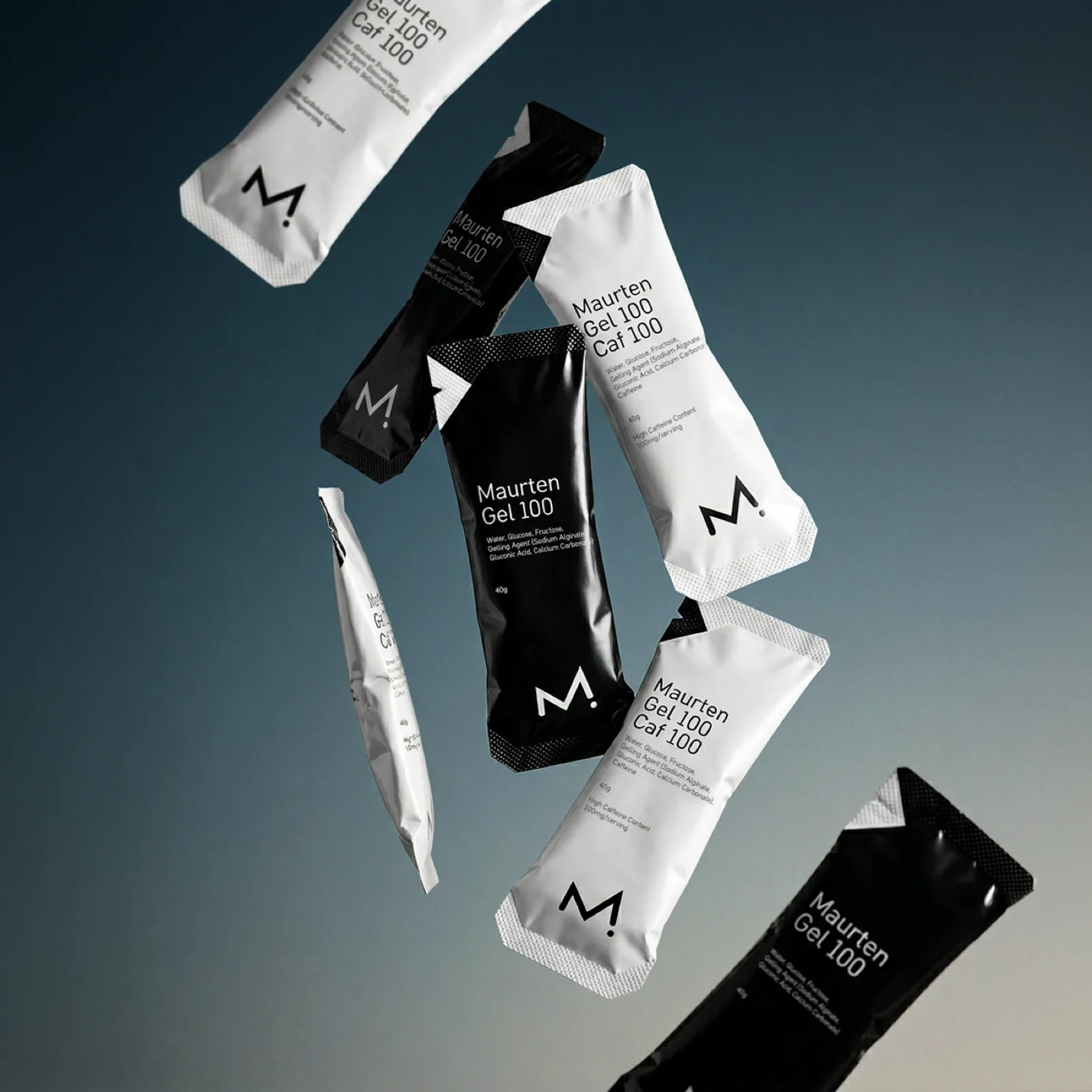
Design and maintain front-end content infrastructure across Contentful and Shopify. Build banner taxonomy systems and homepage architectures that organize how creative work reaches customers across multiple brand verticals. The AI imagery from the prompt pipeline and the assets governed through the DAM both converge here, deployed through systems built for volume, speed, and brand consistency. Managed the homepage across three consecutive Tour de France sponsorship campaigns.


Moving more deeply into the architecture of AI creative systems: API-level fluency, agent orchestration, and multi-model workflows. I want to build at a higher level without losing the craft, in organizations that are serious about making AI work well, where systematic design thinking and AI infrastructure are the same discipline.

Years of photo editing and retouching taught me that precision is a form of care. You learn to see what light actually does, what a surface really looks like, when a scale relationship is wrong. That same attention now applies to AI systems, DAM architecture, and production pipelines, anywhere quality needs to survive volume.

I am interested in the structures that make good work repeatable. Structure is a condition for creativity, not a constraint on it.

ContactLinkedIn
© 2026 Alexandra Owens